Precision Worm Gear Drives for Mining Drill Rig Applications
Drilling operations in Australian mining — whether exploratory diamond core drilling or production blast-hole drilling — demand consistent low-speed, high-torque output to penetrate hard rock formations. The worm gear reducer provides exactly this type of output: stable, controllable rotational force transmitted through a compact right-angle drive that integrates seamlessly into drill rig powertrains. Discover our complete range of industrial applications for worm drive technology.
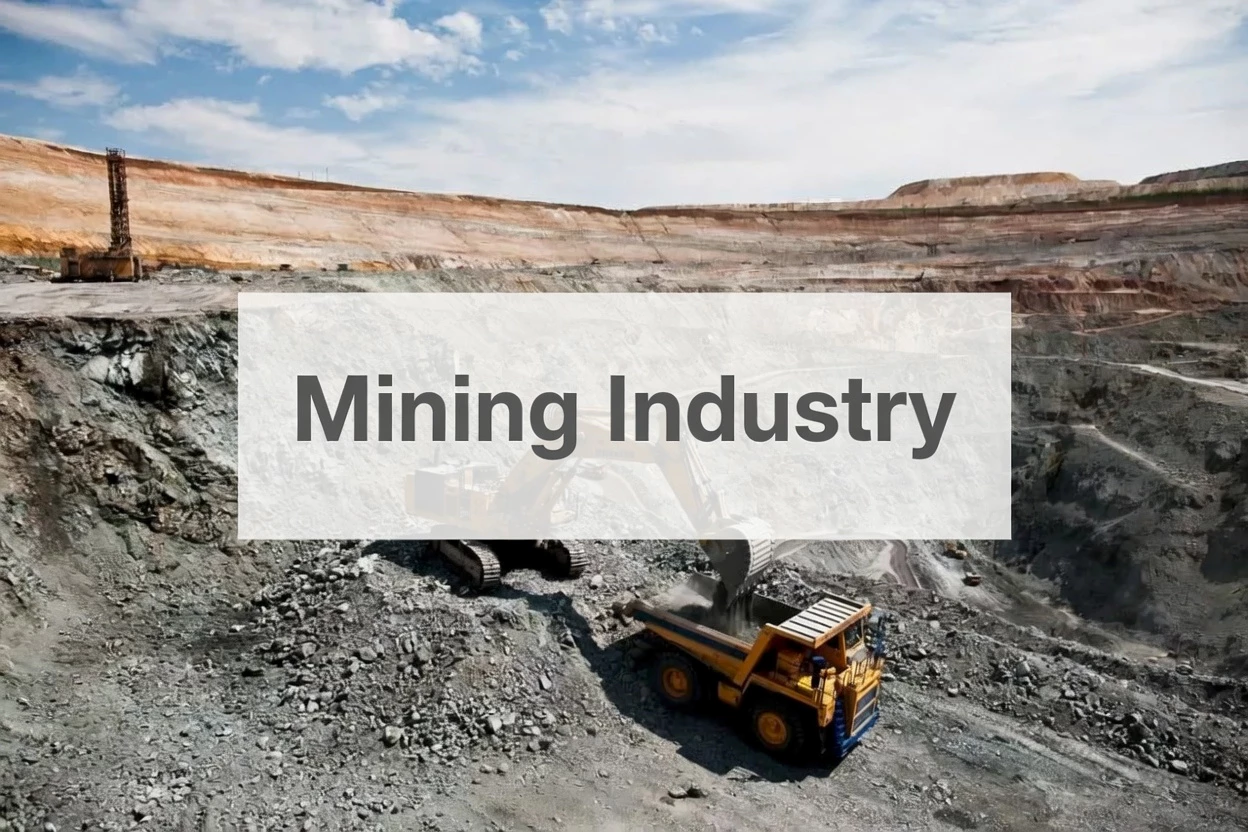
Drill Rig Power Transmission with Worm Reducers
Mining drill rigs rotate a drill string at controlled speeds, typically 50–300 rpm for rotary drilling, while applying substantial downward thrust. The transmission must maintain a constant output speed under fluctuating torque demands as the drill bit transitions between different rock strata. Worm gear reducers, with their inherently smooth torque delivery, minimize rotational pulsation that could cause drill string vibration and premature bit wear.
The right-angle shaft configuration of a worm gearbox allows the motor to be mounted perpendicular to the drill axis, an arrangement that reduces the overall height of the drill head assembly. This is particularly valuable in underground drilling where tunnel clearance limits the vertical space available for the drill rig.
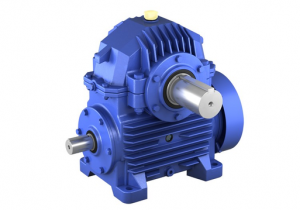
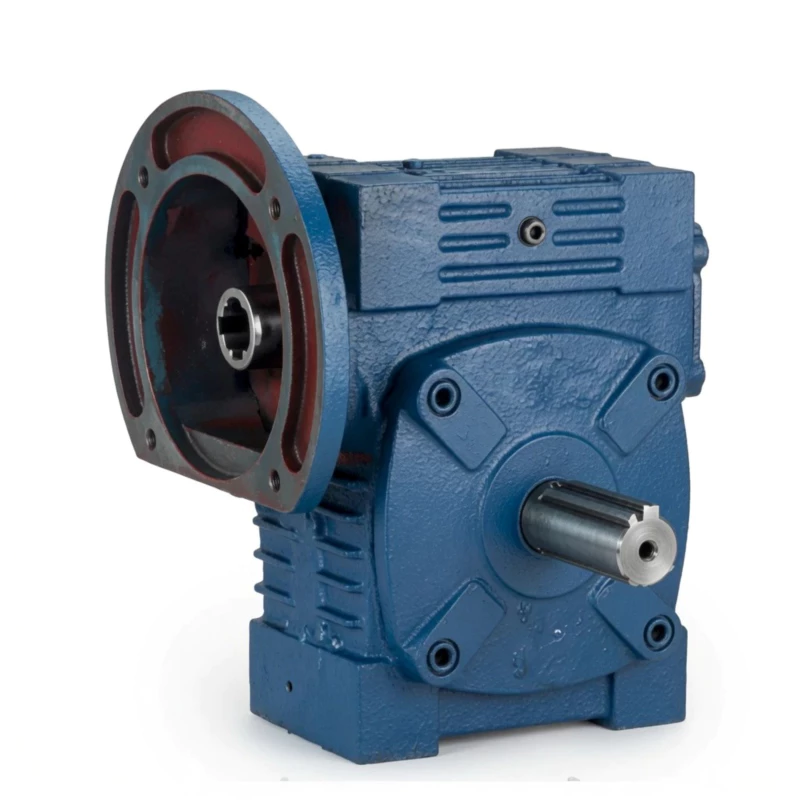
The worm shaft features alloy steel with nitrided surface treatment for corrosion and wear resistance. The worm wheel material is phosphor bronze (C90700 series), providing stable friction characteristics across a wide temperature range. The HT200 grey cast iron housing contains a fully sealed oil bath lubrication system suitable for dusty, moisture-laden drilling environments.
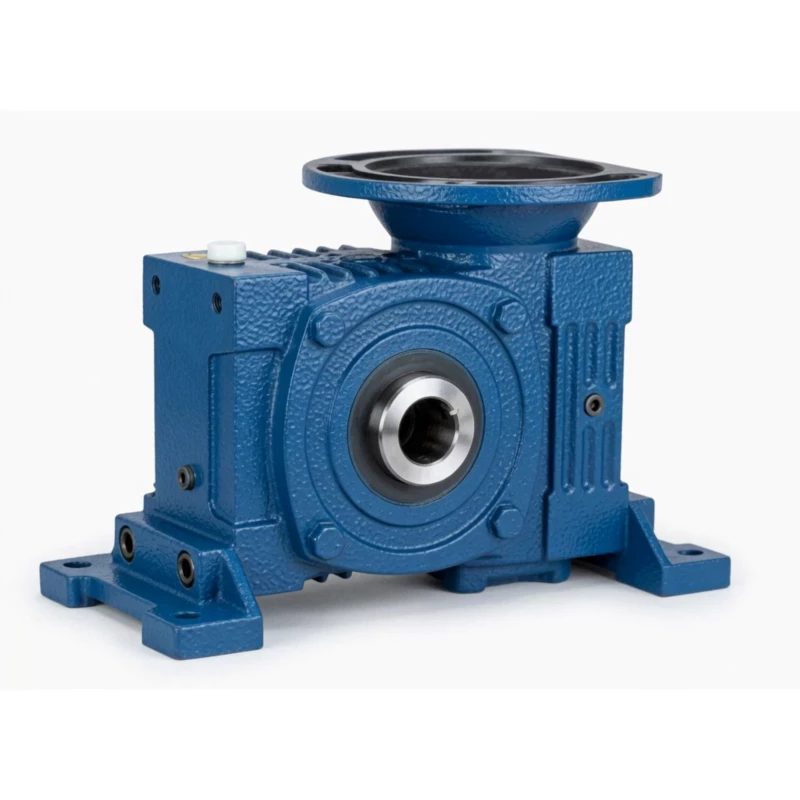
Selección de modelos y datos de ingeniería
| Parámetro | Especificación |
|---|---|
| Rango de relación de transmisión | 15:1 – 60:1 |
| Rango de par de salida | 150 – 3,000 Nm |
| Diámetro del eje de entrada | Ø 11 mm – Ø 45 mm |
| Diámetro del eje de salida | Ø 25 mm – Ø 80 mm |
| Material de vivienda | Grey Cast Iron HT200 |
| Opciones de montaje | Foot Mount / Flange Mount |
Drilling imposes continuous torque with periodic spike loads as the bit encounters harder formations. A Factor de servicio (SF) of 1.25 to 1.75 is appropriate, depending on rock hardness variability. Operating temperature in enclosed drill cabins can be managed through the cast iron housing’s natural heat dissipation, but for continuous deep-hole drilling exceeding 8 hours, consider supplementary cooling. The oil bath lubrication must use mineral or synthetic gear oil rated for the expected ambient temperature range.
Normas internacionales y certificaciones de calidad
| Norma/Certificación | Detalles |
|---|---|
| ISO 9001:2015 | Sistema de gestión de calidad certificado para el diseño, la fabricación y la entrega. |
| Certificación CE | Cumple con la Directiva de Maquinaria de la UE 2006/42/CE. |
| IEC 60072 | Dimensiones de la interfaz del motor por norma IEC para compatibilidad universal con motores |
| NEMA Cara C | Norma NEMA Opciones de montaje del motor disponibles bajo petición. |
| IP65 / IP66 | Protección total contra el polvo y resistencia a los chorros de agua para exteriores y entornos adversos. |
Éxito en el mundo real: estudios de casos de clientes
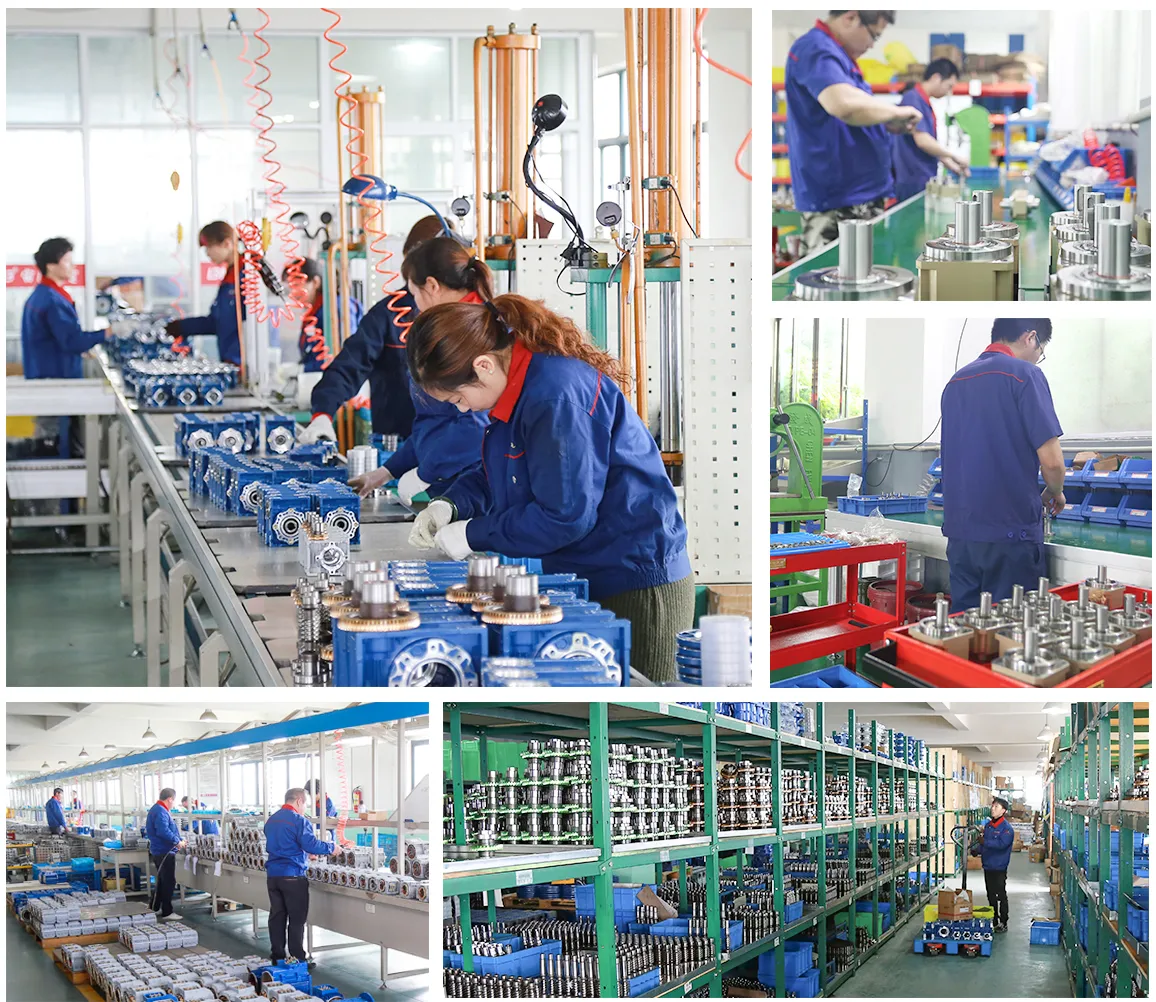
¿Por qué asociarse con nosotros para sus necesidades de reductores de tornillo sin fin?
Experiencia en el sector
Over 20 years of worm gearbox manufacturing expertise serving the mining sector and dozens of other industries worldwide.
Soporte técnico remoto
Contamos con un equipo de ingeniería especializado disponible para la resolución de problemas a distancia, el suministro de modelos CAD y la consulta de aplicaciones mediante videollamada, correo electrónico o teléfono en todas las zonas horarias de Australia.
Diseño personalizado OEM/ODM
Capacidad total de diseño no estándar, incluyendo configuraciones de eje personalizadas, soportes de montaje especiales, relaciones de transmisión modificadas y materiales de carcasa a medida para satisfacer los requisitos exactos de la aplicación.
Valor excepcional
Precios directos de fábrica, sin intermediarios. Flexibilidad en la cantidad mínima de pedido (MOQ) y programas de descuentos por volumen para compras basadas en proyectos.
Logística global
Rutas de envío establecidas a todos los principales puertos australianos, con opciones de depósito aduanero en Sídney y Melbourne para un envío nacional rápido.
Preguntas frecuentes
Q: Why choose a worm gearbox over a planetary drive for drilling rigs?
A: Worm gearboxes provide smoother torque output with less rotational pulsation than planetary drives, reducing drill string vibration. Their right-angle configuration also allows more compact drill head designs with lower profile heights.
Q: What worm reducer ratio suits exploration drilling applications?
A: Ratios of 20:1 to 40:1 are typical for diamond core drilling, producing output speeds of 36–72 rpm from a standard 1,450 rpm motor. Higher ratios are used for larger-diameter rotary drilling at lower speeds.
Q: How does a worm gearbox withstand the vibration of drilling through hard rock?
A: The conformal contact between the bronze worm wheel and hardened steel worm distributes vibration energy across a wide contact area. The bronze material absorbs and dampens high-frequency vibrations rather than transmitting them through the drivetrain.
Q: What maintenance does a worm reducer require in remote drilling operations?
A: Maintenance is minimal: oil level inspection weekly, oil change every 5,000–8,000 hours, and external seal inspection monthly. The simplicity of the two-component gear set means there are very few wear items to monitor or replace.
Q: Can worm gearboxes operate reliably in the temperature extremes of outback Australia?
A: Yes. Grey cast iron housings tolerate thermal cycling between sub-zero overnight temperatures and 50°C daytime extremes. Using a broad-temperature-range synthetic lubricant (ISO VG 150–220) ensures adequate film thickness at both ends of the temperature spectrum.
¿Listo para empezar?
Our engineering team is ready to help you select the optimal worm gearbox for your mining drilling rigs application. Whether you need a standard catalogue unit or a fully customised solution, we deliver expert guidance and competitive pricing.
Explore nuestra Gama completa de productos o aprende más Acerca de nuestra empresa.