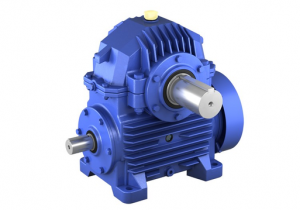
Worm Gearbox Solutions for Wastewater Aeration Basin Mixing Systems
Wastewater treatment is a 24/7 operation, and the aeration basin is its beating heart. Mechanical mixers and aerators in these basins must run continuously, often for years between scheduled maintenance windows. The humid, chemically aggressive atmosphere above a wastewater aeration basin destroys unprotected equipment rapidly. A worm gearbox — with its sealed construction, corrosion-resistant materials, and minimal maintenance requirements — is engineered to thrive in precisely these conditions. View our full application portfolio for water and wastewater treatment.
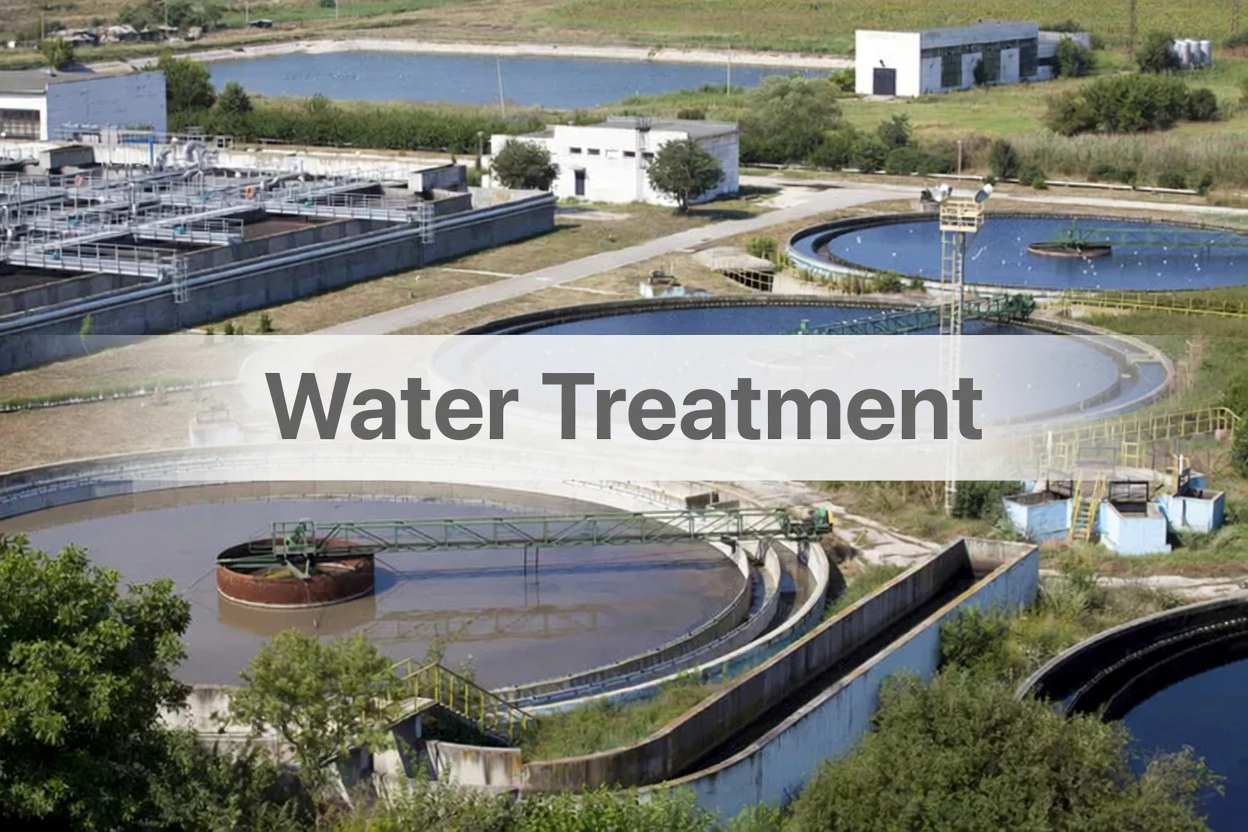
Continuous-Duty Aeration Mixing: Worm Reducer Performance in Corrosive Environments
Aeration basins in activated sludge processes use submersible or surface-mounted mechanical mixers to maintain suspended solids in motion while introducing dissolved oxygen. These mixers operate 24 hours a day, 365 days a year, in an atmosphere saturated with hydrogen sulfide, ammonia, and other corrosive gases. The drive system must deliver reliable low-speed output (typically 20–80 rpm) while surviving this chemically hostile environment.
Worm gear reducers are well-suited to this duty because their enclosed, oil-bath design creates a sealed environment that isolates gear surfaces from external corrosion. The smooth, low-vibration output of the worm drive reduces structural fatigue in mixer shafts and impeller assemblies, extending the service life of the entire mixing system.
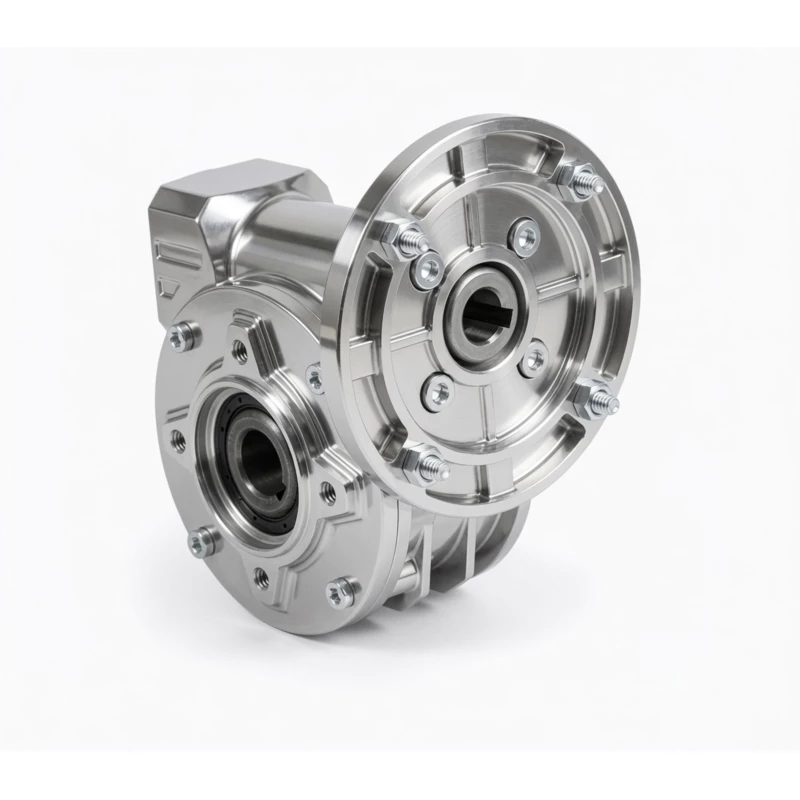
Worm shafts are alloy steel with nitriding surface treatment for corrosion and wear resistance. Phosphor bronze worm wheels resist chemical attack from the aggressive wastewater atmosphere. Cast iron housings receive epoxy or polyurethane anti-corrosion coatings, with IP55+ sealing to prevent moisture and gas ingress during continuous outdoor operation.
Engineering Data and Model Selection
| Parametre | Özellikler |
|---|---|
| Dişli Oranı Aralığı | 15:1 – 50:1 |
| Çıkış Tork Aralığı | 200 – 4,000 Nm |
| Giriş Mili Çapı | Ø 19 mm – Ø 50 mm |
| Çıkış Mili Çapı | Ø 30 mm – Ø 90 mm (hollow shaft option) |
| Konut Malzemesi | Cast Iron + Anti-Corrosion Coating, IP55+ |
| Montaj Seçenekleri | Foot Mount / Pedestal / Bridge Mount |
Aeration basin mixers operate at continuous duty (S1 rating), so thermal capacity is the primary sizing constraint. Apply a Hizmet Faktörü (SF) of 1.5 for standard continuous duty. Verify that the gearbox thermal rating at the expected ambient temperature (including radiant heat from adjacent equipment) is adequate for 24/7 operation without external cooling. All exposed surfaces should receive minimum 250-micron corrosion-resistant coating. Specify breather valves with desiccant filters to prevent moisture-laden air from entering the gearbox as it cools overnight.
Kalite Güvencesi ve Endüstri Standartları
| Standard / Certification | Details |
|---|---|
| ISO 9001:2015 | Certified quality management system for design, manufacturing, and delivery |
| CE Sertifikası | Compliant with EU Machinery Directive 2006/42/EC |
| IEC 60072 | Motor interface dimensions per IEC standard for universal motor compatibility |
| NEMA C-Yüz | NEMA standard motor mount options available on request |
| IP65 / IP66 | Full dust protection and water jet resistance for outdoor and harsh environments |
Saha Test Sonuçları: Sektör Vaka Çalışmaları

Sonsuz dişli çark üretiminde bizi diğerlerinden ayıran özellikler nelerdir?
Sektör Deneyimi
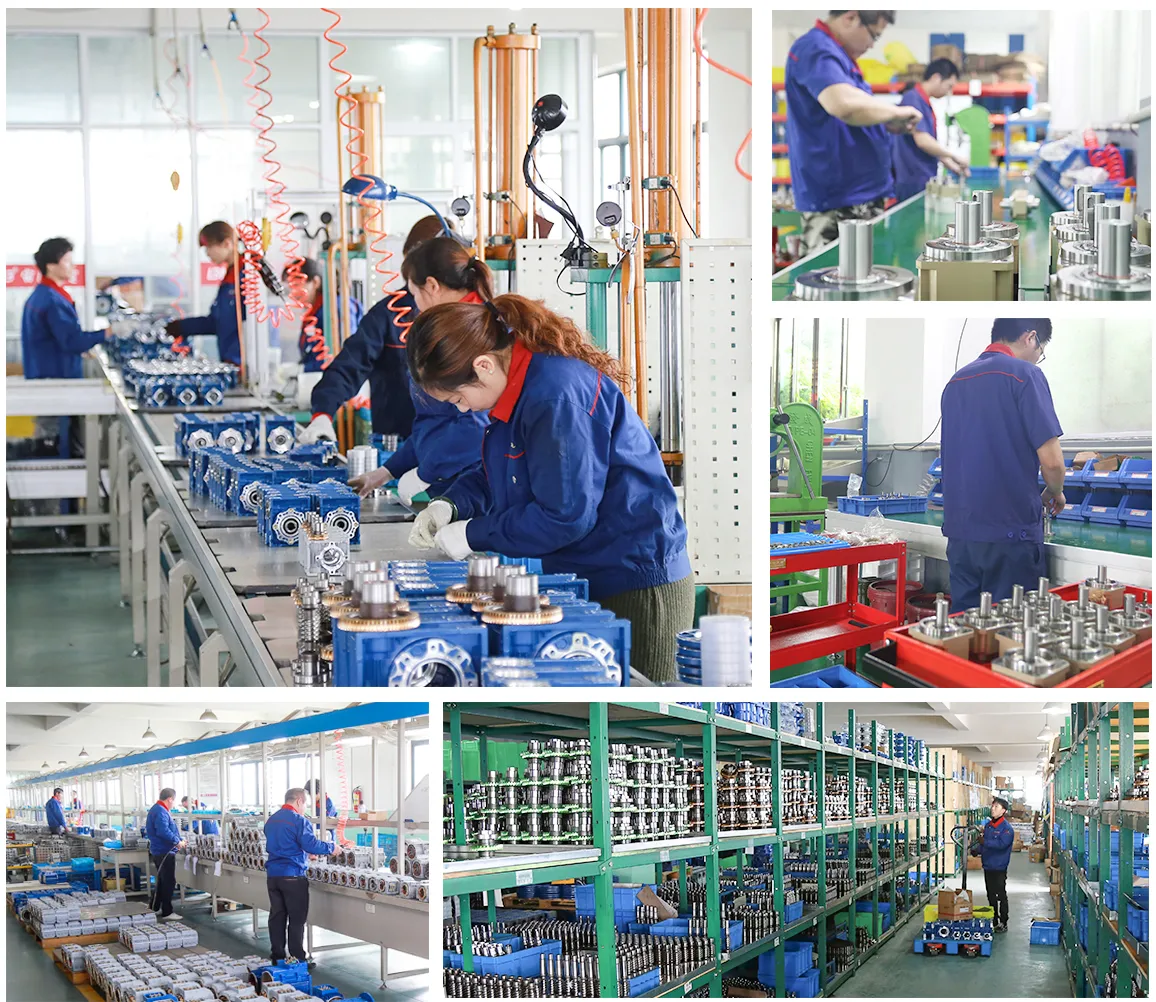
Over 20 years of worm gearbox manufacturing expertise serving the water treatment sector and dozens of other industries worldwide.
Uzaktan Teknik Destek
Avustralya'nın tüm saat dilimlerinde video görüşmesi, e-posta veya telefon aracılığıyla uzaktan sorun giderme, CAD modeli sağlama ve uygulama danışmanlığı için uzman mühendislik ekibi mevcuttur.
OEM/ODM Özel Tasarım
Özel şaft konfigürasyonları, özel montaj braketleri, değiştirilmiş dişli oranları ve uygulamaya özel gövde malzemeleri de dahil olmak üzere, tam uygulama gereksinimlerini karşılayacak şekilde, standart dışı tasarım yeteneğinin tamamı mevcuttur.
Olağanüstü Değer
Aracı komisyonu olmadan doğrudan fabrika fiyatları. Rekabetçi minimum sipariş miktarı esnekliği ve proje bazlı tedarik için toplu alım indirim programları.
Küresel Lojistik
Avustralya'nın tüm önemli limanlarına kurulu nakliye rotaları ve hızlı yurtiçi sevkiyat için Sidney ve Melbourne'de gümrük antrepo seçenekleri mevcuttur.
Solucan Azaltıcı Cihazlarla İlgili Sorularınıza Uzman Cevapları
Q: How do worm gearboxes survive the corrosive atmosphere above aeration basins?
A: Enclosed oil-bath design seals internal components from H₂S and ammonia exposure. External surfaces receive heavy-duty epoxy or polyurethane coatings. Nitrided worm shafts and bronze worm wheels resist chemical attack even if minor moisture ingress occurs.
Q: What is the thermal capacity concern for 24/7 mixer duty?
A: Continuous operation generates steady-state heat that must be dissipated. The gearbox thermal rating (in kW or Nm at ambient temperature) must exceed the actual operating load with margin. In tropical climates like northern Australia, additional derating of 10–20% should be applied.
Q: Can worm reducers handle the radial loads imposed by mixer impellers?
A: Standard worm gearboxes support moderate radial loads on the output shaft. For heavy impeller loads or long shaft overhang, specify reinforced output bearings or a separate plummer block bearing on the mixer shaft, with the gearbox handling only torque transmission.
Q: What lubricant resists degradation in wastewater treatment environments?
A: Synthetic PAG (polyalkylene glycol) gear oils provide excellent resistance to moisture contamination and chemical degradation. PAG oils also offer superior thermal stability for continuous high-temperature operation.
Q: How often should aeration mixer worm gearboxes be serviced?
A: For continuous duty, perform oil analysis every 6 months and change oil annually or when analysis indicates degradation. Inspect housing coating integrity and shaft seals annually. Bronze worm wheel replacement is typically required every 5–8 years.
Sonsuz dişli kutusu mühendislerimizle görüşün.
Have questions about worm reducer selection for aeration basin mixers? Our technical support team provides free consultation, 3D CAD models, and rapid quotation for standard and custom configurations.
Ürünlerimize göz atın. eksiksiz ürün yelpazesi veya daha fazla bilgi edinin Şirketimiz hakkında.