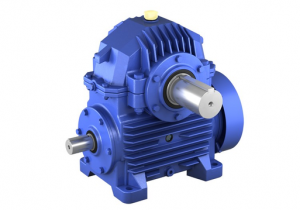
Durable Worm Gearbox Solutions for Harvester Drive Systems
Australia is one of the world’s largest grain exporters, and the annual harvest across wheat, barley, canola, and sorghum croplands depends on high-capacity combine harvesters operating at peak reliability. The drive systems powering cutter bars, threshing drums, and straw-handling mechanisms must deliver consistent high torque while absorbing the random impact loads that come from crop variability. A worm gear reducer provides the robust, low-maintenance transmission performance that modern harvesting equipment demands.
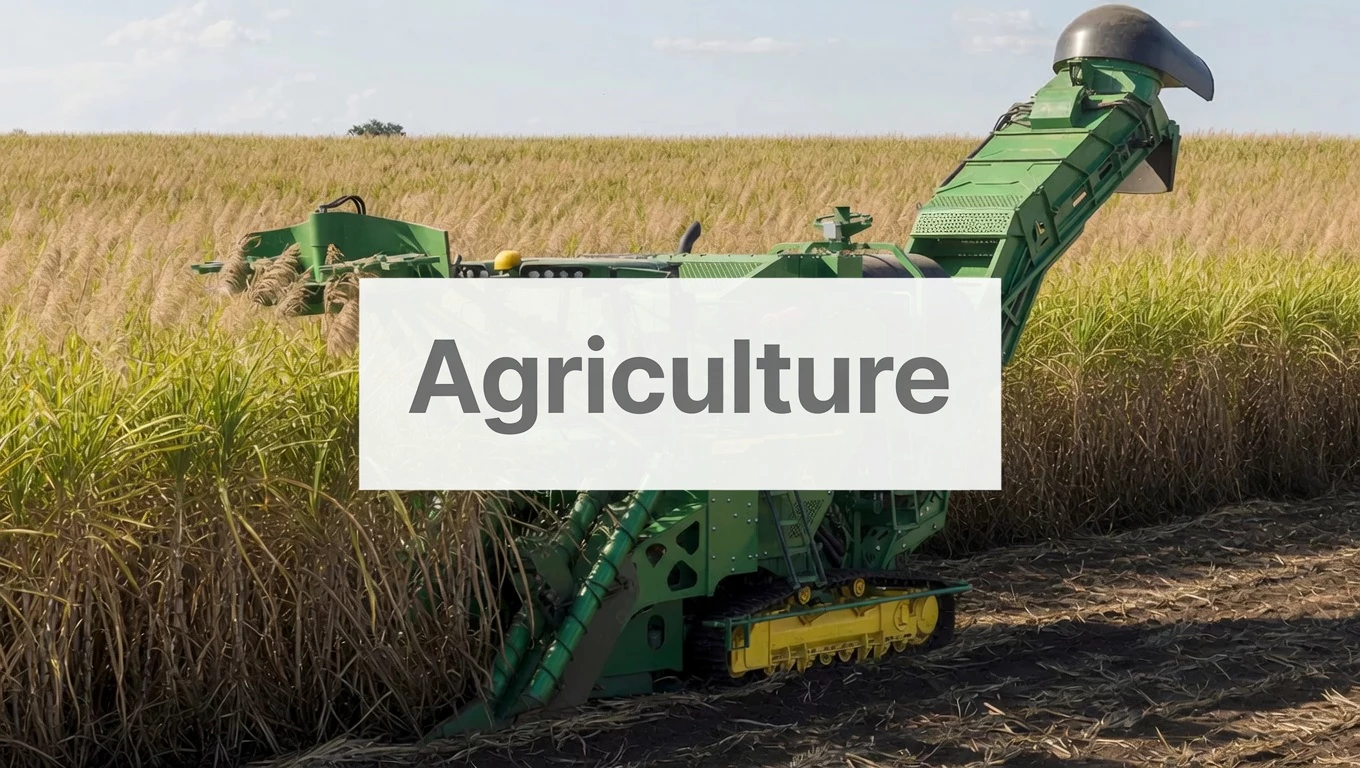
Harvester Drivetrain Components and Worm Gear Functionality
Modern combine harvesters integrate multiple drive systems: the header drive rotates the cutter bar and reel, the threshing system spins at precise speed to separate grain from chaff, and the straw chopper processes crop residue. Each subsystem has different speed and torque requirements, yet all share the need for reliable operation under variable, shock-prone loading conditions.
Worm gear reducers serve multiple roles within these drivetrains. On header drives, they convert engine speed to the slower cutter bar reciprocation rate. On grain auger systems, they provide the low-speed, high-torque output needed to move grain from the header to the grain tank. The self-locking characteristic of the worm drive also prevents the unloader auger from spinning backward when the engine stops, avoiding grain spillage.
Worm shafts use carburized and quenched alloy steel with precision-ground tooth profiles. The worm wheels are cast phosphor bronze, selected for superior impact and wear resistance. Cast iron housings with IP54 dust and water protection endure the harsh harvesting environment of Australian grain belts.
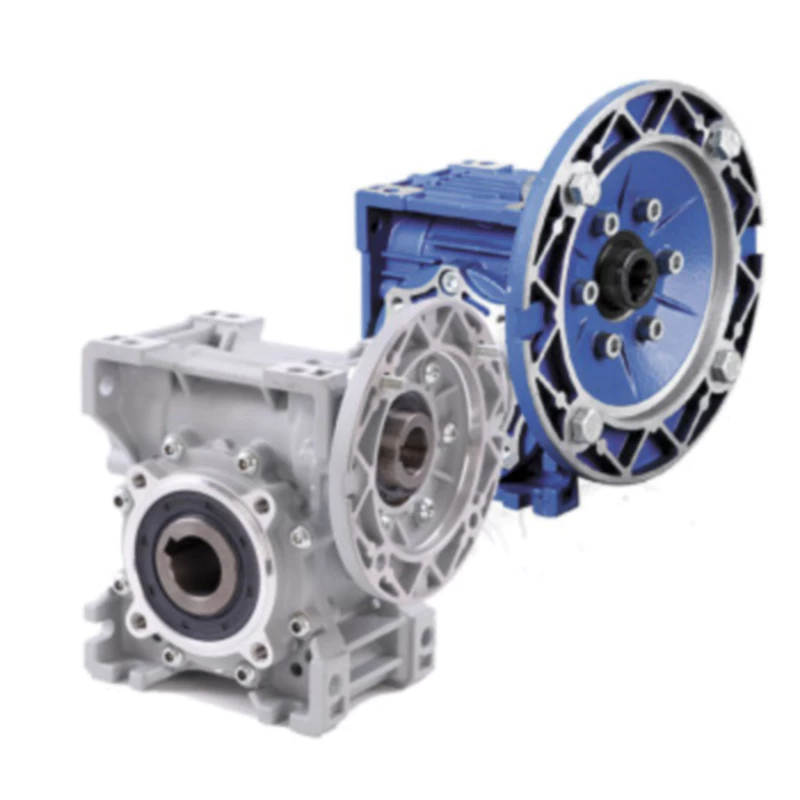
Technical Specifications and Selection Guide
| 范围 | 规格 |
|---|---|
| 齿轮比范围 | 10:1 – 40:1 |
| 输出扭矩范围 | 100 – 2,500 Nm |
| 输入轴直径 | Ø 14 mm – Ø 40 mm |
| 输出轴直径 | Ø 25 mm – Ø 70 mm |
| 房屋材料 | Cast Iron, IP54 Dust/Water Rated |
| 安装方式 | Foot Mount / Flange Mount / Direct Shaft Coupling |
Harvesting applications impose moderate shock loads with high reliability requirements during the short harvest window. Apply a 服务系数(SF) of 1.5 for steady drives (grain augers) and 1.75 to 2.0 for impact-prone drives (header systems in stony paddocks). Ensure the gearbox thermal rating accommodates continuous operation of up to 16 hours per day during peak harvest. Dual-lip shaft seals and IP54 housings are the minimum standard for grain belt environments where fine chaff and dust are pervasive.
International Standards and Quality Certifications
ISO 9001:2015 — Quality management system certified across all manufacturing and assembly processes.
CE认证 — Full compliance with European Machinery Directive 2006/42/EC for global market access.
IEC Standard Interfaces — Motor input flanges and shaft dimensions conform to IEC 60072 for universal motor compatibility.
NEMA Standard Options — NEMA C 面 and foot-mount configurations available for North American motor integration.
IP65 / IP66 Protection — Ingress protection rated for complete dust exclusion and resistance to powerful water jets, ensuring reliable operation in harsh outdoor and industrial environments.
Real-World Success: Customer Case Studies
🌽 Wheat Farming – Western Australia
Equipment: Header Drive System
挑战: Gear tooth fractures on header drive during rocky paddock harvest caused 3-day repair delays during peak season.
解决方案: Worm gearbox with phosphor bronze wheel absorbs rock-strike shock loads without tooth fracture.
结果: Zero header drive failures across two consecutive harvest seasons; peak harvest throughput maintained.
📦 Canola Production – New South Wales
Equipment: Grain Unloader Auger
挑战: Reverse rotation of unloader auger when engine stopped spilled grain, wasting an estimated AUD 8,000 per season.
解决方案: Self-locking worm gear drive prevents any reverse rotation, holding grain column in auger tube.
结果: Grain spillage eliminated entirely; unloading process streamlined with no operator intervention needed at shutdown.
⚙ Sorghum Harvesting – Queensland
Equipment: Straw Chopper Drive
挑战: Belt-drive slippage under heavy straw loads caused inconsistent residue distribution, affecting subsequent planting.
解决方案: Positive-drive worm gearbox eliminated slippage, providing constant chopper speed independent of straw volume.
结果: Residue distribution uniformity improved by 50%; subsequent planting germination rates increased by 8%.
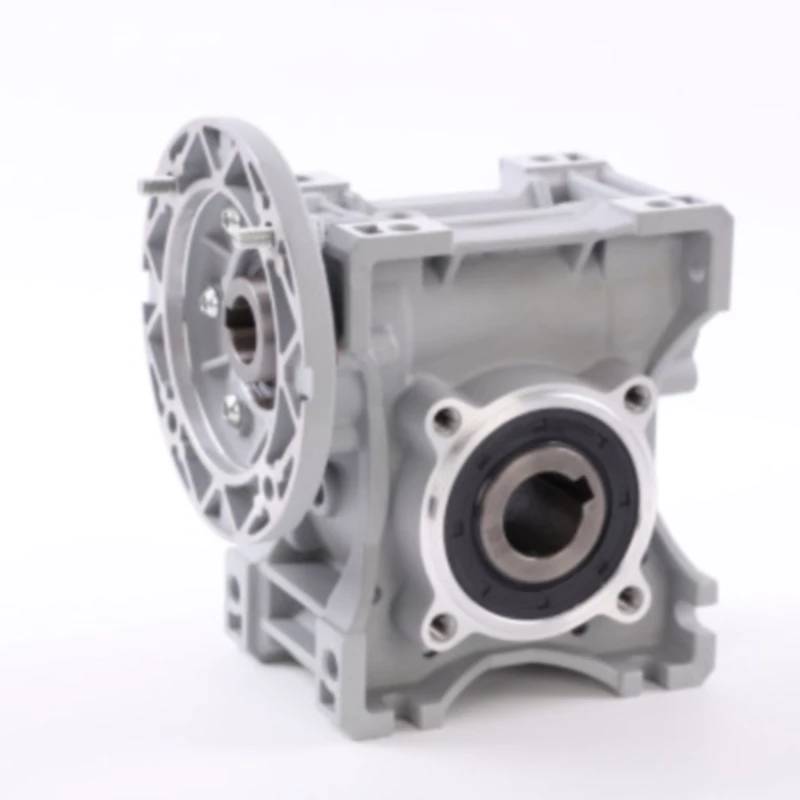
Why Partner With Us for Your Worm Gearbox Needs?
🏆
行业经验
Over 20 years of worm gearbox manufacturing expertise serving the agriculture sector and dozens of other industries worldwide.
💬
远程技术支持
我们拥有专业的工程团队,可通过视频通话、电子邮件或电话,为澳大利亚所有时区提供远程故障排除、CAD 模型提供和应用咨询服务。
⚙
OEM/ODM 定制设计
具备全面的非标设计能力,包括定制轴配置、特殊安装支架、修改齿轮比和定制外壳材料,以满足精确的应用要求。
📈
卓越价值
厂家直销,无中间商加价。灵活的最低起订量和项目采购批量折扣方案。
📦
全球物流
已建立通往澳大利亚所有主要港口的成熟航运路线,并在悉尼和墨尔本设有保税仓库,可实现国内快速发货。
Frequently Asked Questions
Which harvester components benefit most from worm gear reducers?
Grain auger drives and header mechanisms benefit most. Auger drives require self-locking to prevent grain spillage, while header drives need shock absorption for rocky-field operation. Straw chopper drives also benefit from the consistent torque delivery.
How do worm gearboxes survive the fine dust of harvest season?
IP54-rated cast iron housings with double-lip shaft seals and positive-pressure breather valves prevent chaff and fine dust ingress. Regular external cleaning of housing cooling fins maintains thermal performance.
Can worm reducers operate for 16-hour harvest shifts without overheating?
Yes, when properly sized with adequate service factor and filled with synthetic lubricant. The cast iron housing acts as a heat sink, and external cooling fins dissipate heat generated during continuous operation. Monitor oil temperature during the first extended shift of each season.
What is the cost advantage of worm reducers in harvester applications?
Worm gearboxes typically cost 30–40% less than equivalent-capacity helical-bevel units. Combined with simpler installation, reduced spare parts inventory, and field-serviceable design, total cost of ownership is significantly lower.
Are replacement worm wheels readily available during harvest season?
Standard bronze worm wheels are stock items available from major industrial distributors across Australian capital cities and regional centres. Express freight services can deliver replacement wheels to most farming districts within 24–48 hours.
Ready to Get Started?
Our engineering team is ready to help you select the optimal worm gearbox for your harvester drive systems application. Whether you need a standard catalogue unit or a fully customised solution, we deliver expert guidance and competitive pricing.