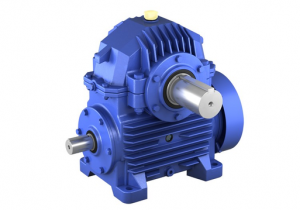
Quiet Worm Gear Reducers for Automatic Door and Parking Barrier Systems
From the sliding glass entrance of a Sydney office tower to the barrier arm of a Melbourne airport car park, automatic door and barrier systems operate thousands of cycles daily in close proximity to people. These systems demand near-silent operation, smooth motion, and inherent safety features that prevent uncontrolled movement. The worm gear reducer is the drive technology of choice for architects, facility managers, and parking system integrators seeking a combination of whisper-quiet performance, compact size, and self-locking security. Contact our sales team for automatic door and barrier gearbox specifications.
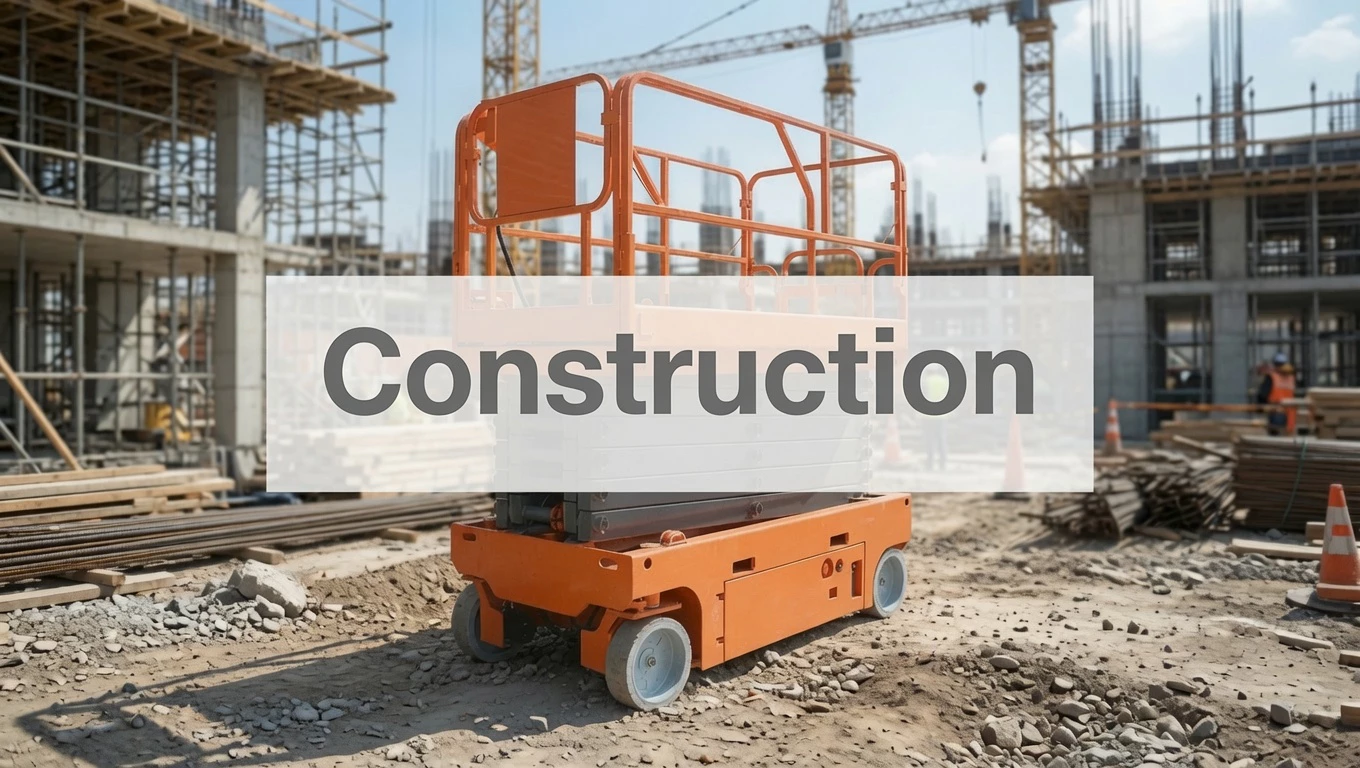
Door and Barrier Automation: How Worm Drives Deliver Silent, Secure Motion
Automatic doors — including sliding, swinging, revolving, and roller shutter types — require smooth, quiet actuation that inspires user confidence. The door must open quickly, pause at full open, then close gently with controlled deceleration. When closed, the door must resist wind loads and attempted forced entry without the motor running. The self-locking worm gearbox holds the door in its closed position without electrical energy or a separate locking mechanism.
Parking barrier arms follow a similar operational profile: rapid lifting to clear the vehicle, dwell at the open position, then controlled lowering. The barrier must hold its position — open or closed — against wind gusts without consuming power. In the event of a power failure, the barrier should remain in its last position (typically up, for safety) without dropping under its own weight. The worm gear’s self-locking accomplishes this without batteries, counterweights, or spring mechanisms.
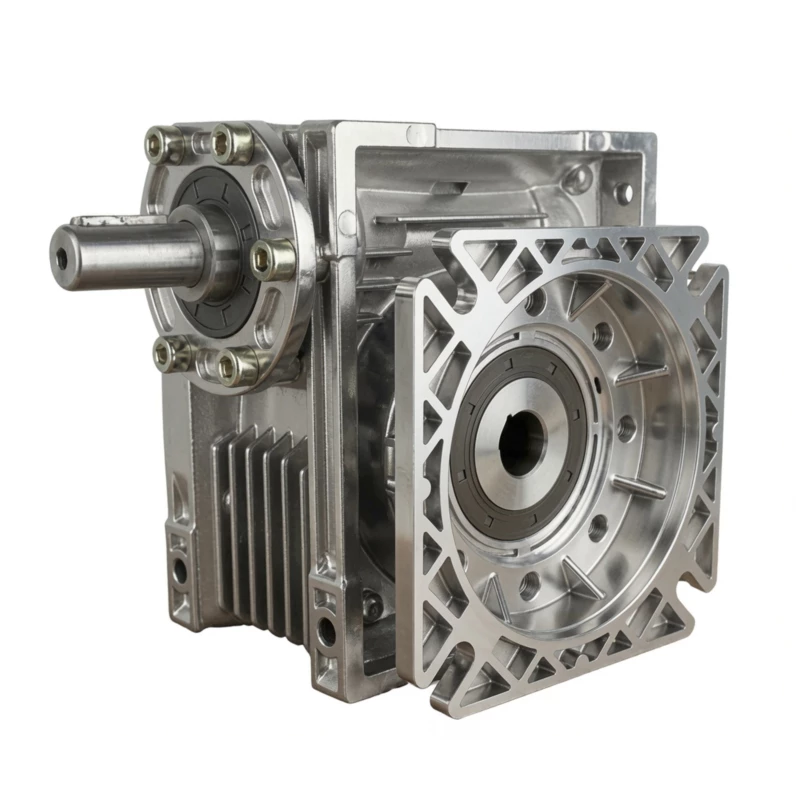
Material selection prioritises quiet operation and corrosion resistance. Worm shafts are carbon steel or alloy steel with surface hardening for durability. Tin bronze worm wheels provide self-lubricating operation that maintains low noise throughout the gear’s service life. Die-cast aluminium housings minimise weight — important for door-mounted and overhead-mounted installations — while providing IP54 protection for both indoor and semi-outdoor applications.
Engineering Data and Model Selection
| المعلمة | مواصفة |
|---|---|
| نطاق نسبة التروس | 15:1 – 50:1 |
| نطاق عزم الدوران الناتج | 20 – 600 Nm |
| قطر عمود الإدخال | Ø 9 mm – Ø 24 mm |
| قطر عمود الإخراج | Ø 14 mm – Ø 45 mm |
| مواد بناء التغليف | Die-Cast Aluminium Alloy, IP54 |
| خيارات التركيب | Flange Mount / Bracket Mount / Overhead Mount |
Door and barrier drives experience very high cycle frequency — up to 100,000 cycles per year for busy commercial entrances. Apply a عامل الخدمة (SF) of 1.25 for standard commercial doors and 1.5 for high-traffic or heavy industrial doors. The gearbox must be sized for the door or barrier weight, wind load, and acceleration profile. Noise is a critical specification — verify the manufacturer’s noise rating at the intended operating speed. Lightweight aluminium housings are essential for door-mounted drives where the gearbox mass is carried by the door frame or lintel structure.
ضمان الجودة ومعايير الصناعة
| Standard / Certification | Details |
|---|---|
| ISO 9001:2015 | Certified quality management system for design, manufacturing, and delivery |
| شهادة المطابقة الأوروبية (CE) | Compliant with EU Machinery Directive 2006/42/EC |
| IEC 60072 | Motor interface dimensions per IEC standard for universal motor compatibility |
| واجهة NEMA C | NEMA standard motor mount options available on request |
| IP65 / IP66 | Full dust protection and water jet resistance for outdoor and harsh environments |
نتائج تم اختبارها ميدانياً: دراسات حالة صناعية
ما الذي يميزنا في صناعة التروس الدودية؟
⚖
الخبرة في المجال
Over 20 years of worm gearbox manufacturing expertise serving the construction & infrastructure sector and dozens of other industries worldwide.
📱
الدعم الفني عن بعد
يتوفر فريق هندسي متخصص لحل المشكلات عن بعد، وتوفير نماذج التصميم بمساعدة الحاسوب، وتقديم الاستشارات التطبيقية عبر مكالمات الفيديو أو البريد الإلكتروني أو الهاتف في جميع المناطق الزمنية الأسترالية.
🛠
تصميم مخصص من قبل مصنعي المعدات الأصلية/مصممي المعدات الأصلية
إمكانية تصميم كاملة غير قياسية تشمل تكوينات أعمدة مخصصة، وأقواس تثبيت خاصة، ونسب تروس معدلة، ومواد غلاف مصممة خصيصًا لتلبية متطلبات التطبيق الدقيقة.
💲
قيمة استثنائية
أسعار مباشرة من المصنع بدون أي رسوم إضافية من الوسطاء. مرونة تنافسية في الحد الأدنى لكمية الطلب وبرامج خصومات على الكميات الكبيرة للمشتريات القائمة على المشاريع.
🌟
الخدمات اللوجستية العالمية
خطوط شحن راسخة إلى جميع الموانئ الأسترالية الرئيسية مع خيارات مستودعات جمركية في سيدني وملبورن للشحن المحلي السريع.
إجابات الخبراء على أسئلتكم حول مُخفِّض الديدان
Q: How quiet are worm gear door operators compared to belt-drive systems?
A: Worm gear operators typically produce 40–50 dB(A) at 1 metre, which is 15–25 dB quieter than belt or chain drive alternatives. This makes them suitable for noise-sensitive environments including hospitals, hotels, libraries, and premium office buildings.
Q: Can worm gear drives handle the high cycle count of busy commercial doors?
A: Yes. Modern worm gearboxes are rated for 1 million or more cycles. Tin bronze worm wheels with synthetic lubrication maintain consistent performance and noise levels throughout their rated cycle life.
Q: What happens to a worm gear door drive during a power outage?
A: The self-locking mechanism holds the door in its current position — open, closed, or partially open — without power. For emergency egress compliance, most automatic door systems include a manual release that allows the door to be pushed open from the inside.
Q: Are worm gear barrier drives weatherproof for outdoor car park installations?
A: Standard IP54-rated aluminium housings are suitable for covered and semi-outdoor car park installations. For fully exposed outdoor barriers, specify IP55 or IP65 with stainless steel fasteners and UV-resistant coating.
Q: What maintenance do worm gear door and barrier operators require?
A: Minimal maintenance: lubrication check annually, seal inspection annually, and full service every 3–5 years or 250,000 cycles, whichever comes first. This compares favourably to belt-drive systems which typically require belt replacement every 12–18 months.
تحدث مع مهندسي علب التروس الدودية لدينا
Have questions about worm reducer selection for automatic doors & parking barriers? Our technical support team provides free consultation, 3D CAD models, and rapid quotation for standard and custom configurations.
تصفح منتجاتنا مجموعة منتجات كاملة أو تعرف على المزيد نبذة عن شركتنا.