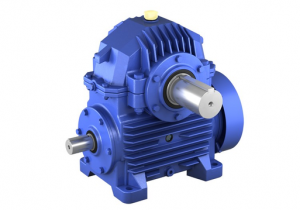
Precision Worm Gear Drives for Solar Panel Tracking Systems
Australia receives some of the highest solar irradiance in the world, making solar photovoltaic generation a cornerstone of the nation’s energy transition. Solar tracking systems that follow the sun’s path across the sky can increase energy yield by 25–40% compared to fixed-tilt installations. The worm gear reducer is the enabling mechanism for reliable solar tracking — providing precise angular positioning, inherent self-locking against wind loads, and maintenance-free outdoor operation across the harsh Australian climate. Explore our range of worm gear products designed for renewable energy applications.
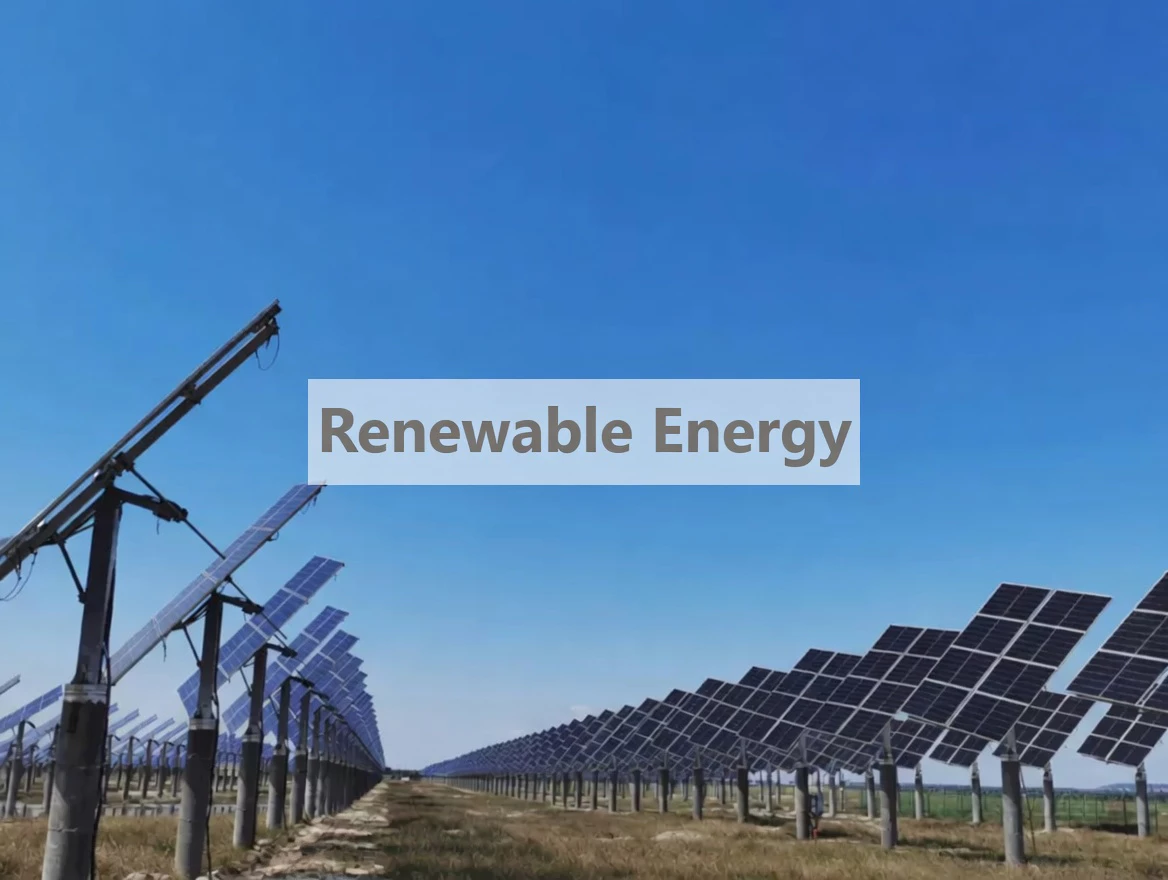
Solar Tracking Mechanisms: Worm Gear Precision in Photovoltaic Systems
Solar trackers adjust the tilt and azimuth of photovoltaic panel arrays to maintain optimal perpendicular alignment with sunlight throughout the day. Single-axis trackers rotate on one axis (typically east-west), while dual-axis systems adjust both tilt and azimuth for maximum energy capture. Both require a drive mechanism that can position panels to within 0.1° accuracy and hold that position against wind gusts that may exceed 120 km/h in exposed Australian locations.
The self-locking characteristic of the worm gear is paramount in solar tracking. When the positioning motor stops, the worm drive locks the panels at the set angle. During extreme wind events, this self-locking resists the enormous aerodynamic torque that attempts to rotate the panel array, preventing structural damage without requiring brakes, hydraulic locks, or continuous motor holding current.
Precision-ground alloy steel worm shafts deliver the accuracy and smooth motion needed for tracking applications. Long-life cast phosphor bronze worm wheels ensure quiet, low-noise operation suitable for commercial and residential installations. Lightweight die-cast aluminium housings with outdoor IP65 weatherproofing withstand the UV radiation, temperature cycling, and dust exposure of Australian solar farm environments.
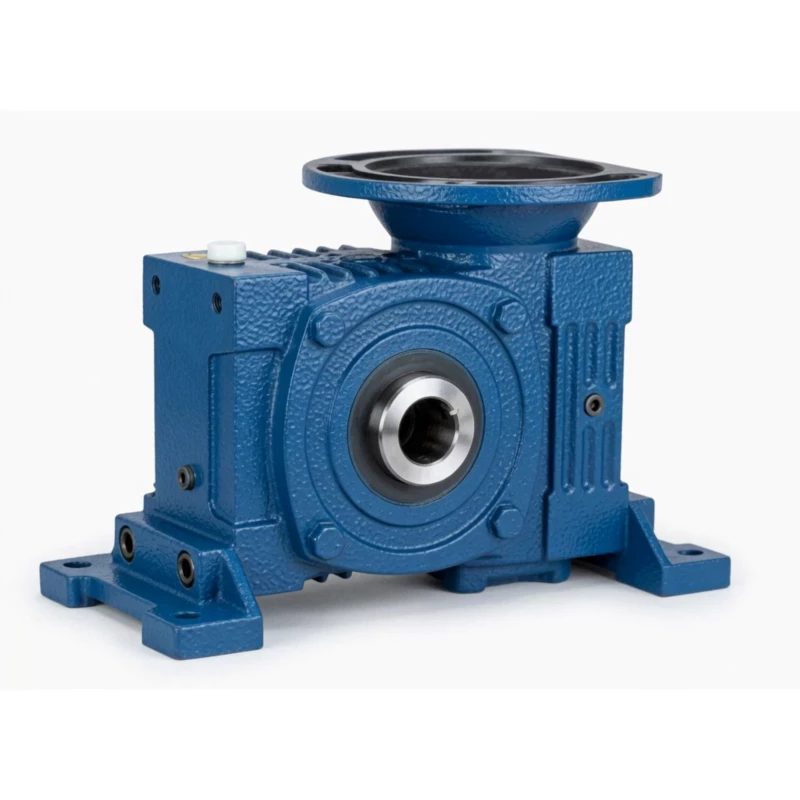
المواصفات الفنية ودليل الاختيار
| المعلمة | مواصفة |
|---|---|
| نطاق نسبة التروس | 30:1 – 80:1 |
| نطاق عزم الدوران الناتج | 50 – 800 Nm |
| قطر عمود الإدخال | قطر 9 مم - قطر 28 مم |
| قطر عمود الإخراج | Ø 18 mm – Ø 50 mm |
| مواد بناء التغليف | Die-Cast Aluminium Alloy, IP65 Outdoor Rated |
| خيارات التركيب | Flange Mount / Bracket Mount |
Solar tracker drives operate at very low duty cycles — typically a few degrees of rotation every 10–15 minutes. The primary sizing criterion is wind load holding torque, not continuous drive torque. Calculate the aerodynamic torque on the panel array at maximum design wind speed and verify the worm drive self-locking capacity exceeds this value with a عامل الخدمة (SF) of 2.0. For tracker fields in cyclone-prone regions (northern Queensland), design to withstand Category 3 wind loads. Aluminium housings should be anodised or powder-coated for UV and corrosion resistance across the 25-year expected life of a solar installation.
International Standards and Quality Certifications
ISO 9001:2015 — نظام إدارة الجودة معتمد في جميع عمليات التصنيع والتجميع.
شهادة المطابقة الأوروبية (CE) — الامتثال الكامل لتوجيهات الآلات الأوروبية 2006/42/EC للوصول إلى السوق العالمية.
واجهات معيار اللجنة الكهروتقنية الدولية — تتوافق حواف إدخال المحرك وأبعاد العمود مع IEC 60072 لضمان التوافق مع جميع أنواع المحركات.
خيارات معيار NEMA — واجهة NEMA C وتتوفر تكوينات تثبيت على القدم لدمج المحركات في أمريكا الشمالية.
حماية IP65 / IP66 — حماية من دخول الماء مصنفة لمنع دخول الغبار بشكل كامل ومقاومة نفاثات المياه القوية، مما يضمن التشغيل الموثوق به في البيئات الخارجية والصناعية القاسية.
Real-World Success: Customer Case Studies
☀ Utility-Scale Solar Farm – Queensland
Equipment: Single-Axis Tracker Drives (12,000 units)
تحدي: Linear actuator drives failed at 8% annual rate; maintenance costs of AUD 1.2 million per year across the farm.
حل: Worm gear rotary drives with no linear seals or hydraulic components. Only two moving parts per drive unit.
حصيلة: Annual drive failure rate reduced to 0.3%; maintenance budget cut by 85% in the second year of operation.
🌤 Commercial Rooftop Solar – Sydney
Equipment: Dual-Axis Tracker for Concentrated PV
تحدي: Noise from stepper motor drives disturbed office occupants in the floor directly below the rooftop installation.
حل: Worm gear drives with phosphor bronze wheels operate at near-silent noise levels, well below background HVAC noise.
حصيلة: Noise complaints eliminated; building management approved expansion of rooftop tracking installation.
⚡ Remote Telecommunications – Western Australia
Equipment: Off-Grid Solar Tracker (2 kW)
تحدي: Previous tracker drive consumed 12% of generated energy for tracking motor and brake holding. Net usable energy significantly reduced.
حل: Worm gear drive consumes power only during repositioning (seconds per move). Zero energy for position holding via self-locking.
حصيلة: Parasitic energy consumption reduced from 12% to under 1%; net usable energy for telecom equipment increased correspondingly.
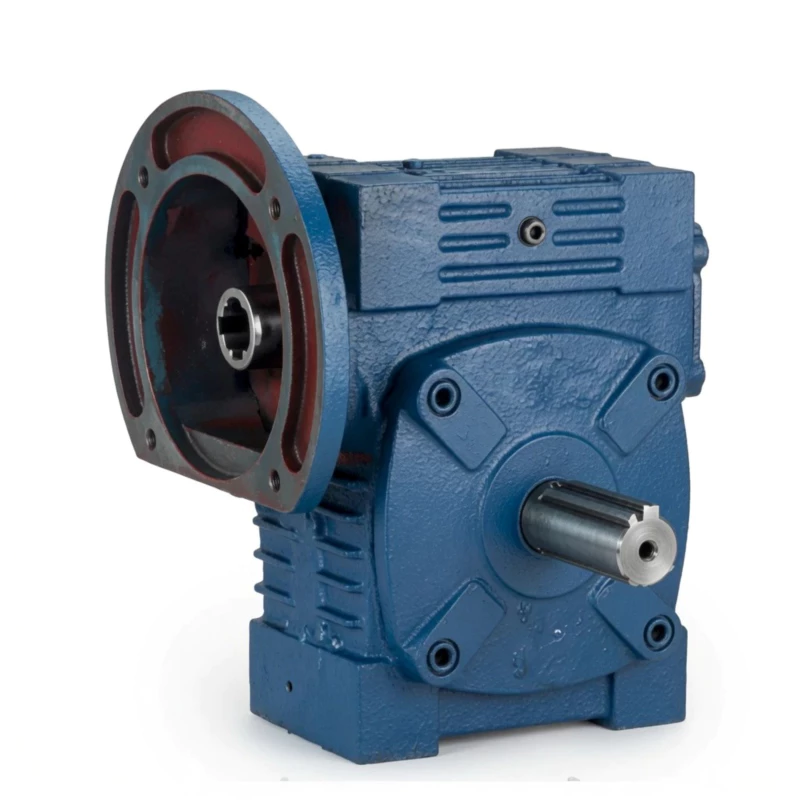
Why Partner With Us for Your Worm Gearbox Needs?
🏭
الخبرة في المجال
Over 20 years of worm gearbox manufacturing expertise serving the renewable energy sector and dozens of other industries worldwide.
💻
الدعم الفني عن بعد
يتوفر فريق هندسي متخصص لحل المشكلات عن بعد، وتوفير نماذج التصميم بمساعدة الحاسوب، وتقديم الاستشارات التطبيقية عبر مكالمات الفيديو أو البريد الإلكتروني أو الهاتف في جميع المناطق الزمنية الأسترالية.
🔧
تصميم مخصص من قبل مصنعي المعدات الأصلية/مصممي المعدات الأصلية
إمكانية تصميم كاملة غير قياسية تشمل تكوينات أعمدة مخصصة، وأقواس تثبيت خاصة، ونسب تروس معدلة، ومواد غلاف مصممة خصيصًا لتلبية متطلبات التطبيق الدقيقة.
💰
قيمة استثنائية
أسعار مباشرة من المصنع بدون أي رسوم إضافية من الوسطاء. مرونة تنافسية في الحد الأدنى لكمية الطلب وبرامج خصومات على الكميات الكبيرة للمشتريات القائمة على المشاريع.
🌎
الخدمات اللوجستية العالمية
خطوط شحن راسخة إلى جميع الموانئ الأسترالية الرئيسية مع خيارات مستودعات جمركية في سيدني وملبورن للشحن المحلي السريع.
الأسئلة الشائعة
How do worm gear drives resist wind forces on solar panels?
The self-locking property of the worm gear means that external forces (wind pushing on panels) cannot back-drive the mechanism. The panels remain locked at their set angle regardless of wind speed, up to the structural rating of the tracking system.
What positioning accuracy can worm gear solar trackers achieve?
With precision-ground worm shafts and anti-backlash worm wheel designs, angular positioning accuracy of ±0.1° is achievable. This is more than adequate for both flat-plate PV tracking and concentrated photovoltaic applications.
Are worm gear tracker drives maintenance-free?
Virtually so. The sealed, grease-lubricated design requires no scheduled maintenance for the typical 25-year life of a solar installation. Annual visual inspection of the housing seal integrity is the only recommended check.
What is the energy cost of worm gear solar tracking?
The worm drive motor operates for only a few seconds every 10–15 minutes, consuming minimal energy. Self-locking eliminates holding current entirely. Total parasitic tracking energy is typically under 0.5% of panel output.
Can worm gear drives survive cyclone conditions in northern Australia?
Yes, when sized for the design wind speed. The self-locking mechanism resists aerodynamic torque passively. Most tracker systems include a stow function that parks panels flat in high-wind conditions, further reducing loads on the drive.
Ready to Get Started?
Our engineering team is ready to help you select the optimal worm gearbox for your solar trackers application. Whether you need a standard catalogue unit or a fully customised solution, we deliver expert guidance and competitive pricing.
تصفح منتجاتنا مجموعة منتجات كاملة أو تعرف على المزيد نبذة عن شركتنا.