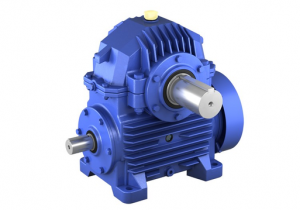
Critical Worm Gear Drive Systems for Dam and Sluice Gate Operations
Australia’s water security depends on a network of dams, weirs, and reservoirs that store and regulate water supply for cities, agriculture, and hydroelectric generation. The sluice gates and spillway gates controlling water release from these structures are among the most safety-critical mechanical systems in the nation’s infrastructure. Worm gear drives provide the extreme reliability, self-locking stability, and low-maintenance operation that dam gate actuation demands. Contact us through our enquiry page for custom dam gate drive solutions.
Dam Gate Actuation: Engineering Reliability with Worm Gear Technology
Dam gates — including radial (Tainter) gates, vertical lift gates, and sluice gates — must be raised and lowered precisely to control reservoir outflow during flood events, scheduled water releases, and emergency drawdown operations. The drive system must deliver very high torque to move gates weighing tens of tonnes against full hydrostatic head, while providing absolute positional stability once the gate is set.
Worm gear drives are the standard choice for dam gate actuation worldwide because their self-locking property prevents any movement of the gate under water pressure when the drive motor is de-energised. This passive safety mechanism requires no electronic control, no battery backup, and no mechanical brake — the gear geometry alone holds the gate securely against the full force of the reservoir.
Materials are selected for decades of service in humid, corrosive environments. The worm shaft is alloy steel with surface nitriding for corrosion and wear resistance. Phosphor bronze worm wheels resist moisture and chemical exposure. Cast iron housings receive heavy-duty anti-corrosion coatings, with IP55 or higher sealing to protect internal components from the constantly moist environment of dam structures.
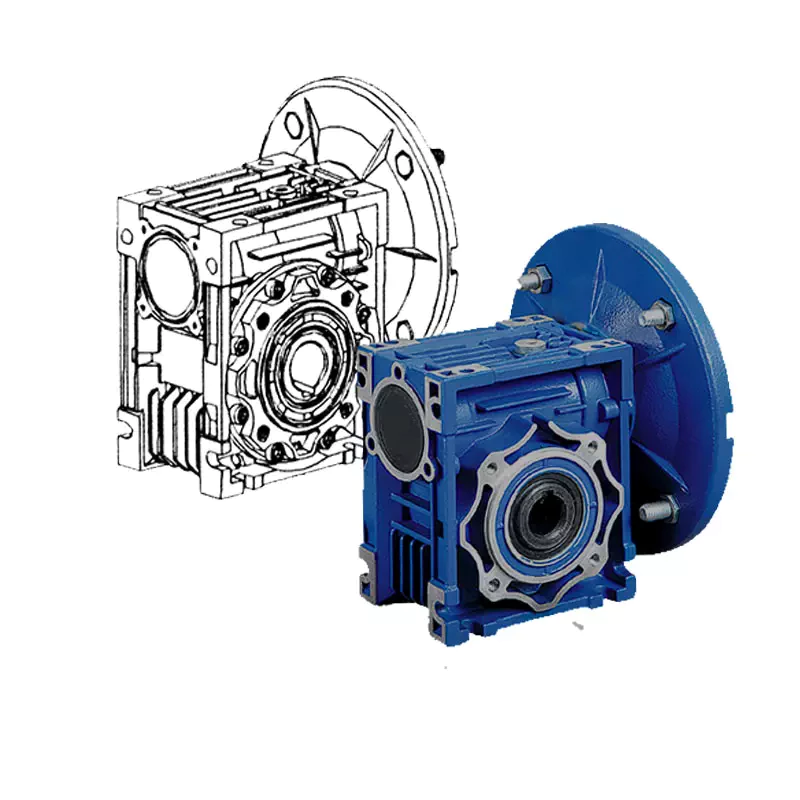
المواصفات الفنية ودليل الاختيار
| المعلمة | مواصفة |
|---|---|
| نطاق نسبة التروس | 30:1 – 80:1 |
| نطاق عزم الدوران الناتج | 1,000 – 20,000 Nm |
| قطر عمود الإدخال | Motor or Handwheel Input |
| قطر عمود الإخراج | Ø 50 mm – Ø 150 mm (keyed or splined) |
| مواد بناء التغليف | Heavy-Duty Cast Iron + Anti-Corrosion Coating |
| خيارات التركيب | Baseplate / Pedestal Mount |
Dam gate drives must be sized for the maximum hydrostatic load condition, not just normal operating torque. Apply a عامل الخدمة (SF) of 2.0 minimum for critical flood-control gates and 2.5 for gates where failure consequences include downstream population risk. Ensure the self-locking ratio is maintained under all foreseeable load conditions including seismic events. Materials and surface treatments must withstand 25–50 year service life expectations with minimal intervention. All installations should include manual override capability (handwheel input) for operation during power failures.
Compliance, Certifications and Protection Ratings
ISO 9001:2015 — نظام إدارة الجودة معتمد في جميع عمليات التصنيع والتجميع.
شهادة المطابقة الأوروبية (CE) — الامتثال الكامل لتوجيهات الآلات الأوروبية 2006/42/EC للوصول إلى السوق العالمية.
واجهات معيار اللجنة الكهروتقنية الدولية — تتوافق حواف إدخال المحرك وأبعاد العمود مع IEC 60072 لضمان التوافق مع جميع أنواع المحركات.
خيارات معيار NEMA — واجهة NEMA C وتتوفر تكوينات تثبيت على القدم لدمج المحركات في أمريكا الشمالية.
حماية IP65 / IP66 — حماية من دخول الماء مصنفة لمنع دخول الغبار بشكل كامل ومقاومة نفاثات المياه القوية، مما يضمن التشغيل الموثوق به في البيئات الخارجية والصناعية القاسية.
Proven Performance: Application Case Studies
🌊 Irrigation Dam – Murray-Darling Basin
Equipment: Radial Gate Drive (12 m span)
تحدي: Hydraulic actuator seals failed during extended drought period (low cycle frequency), causing gate to drift open uncontrolled during first flood event.
حل: Worm gear drive maintains self-locking capability regardless of how long the gate remains stationary. No seals to degrade during idle periods.
حصيلة: Gate performed flawlessly during first flood event after 3 years of static positioning; no drift detected.
⚡ Hydroelectric Dam – Tasmania
Equipment: Spillway Gate Hoist System
تحدي: Planetary gearbox required factory overhaul every 5 years at AUD 85,000 per unit; dam has 6 gates.
حل: Worm gear drives with bronze worm wheel as only wear component. Wheel replacement costs AUD 2,500 and takes one day.
حصيلة: Annual gate drive maintenance budget reduced from AUD 102,000 to AUD 15,000 across all six gates.
💧 Water Supply Reservoir – Adelaide
Equipment: Outlet Tower Sluice Gates
تحدي: Remote location with no mains power; diesel generator required to run electric gate actuators during scheduled releases.
حل: Manual-override worm gear drive allows single operator to open/close gate via handwheel without power, leveraging the mechanical advantage of the 60:1 ratio.
حصيلة: Diesel generator eliminated; annual fuel and maintenance savings of AUD 18,000.
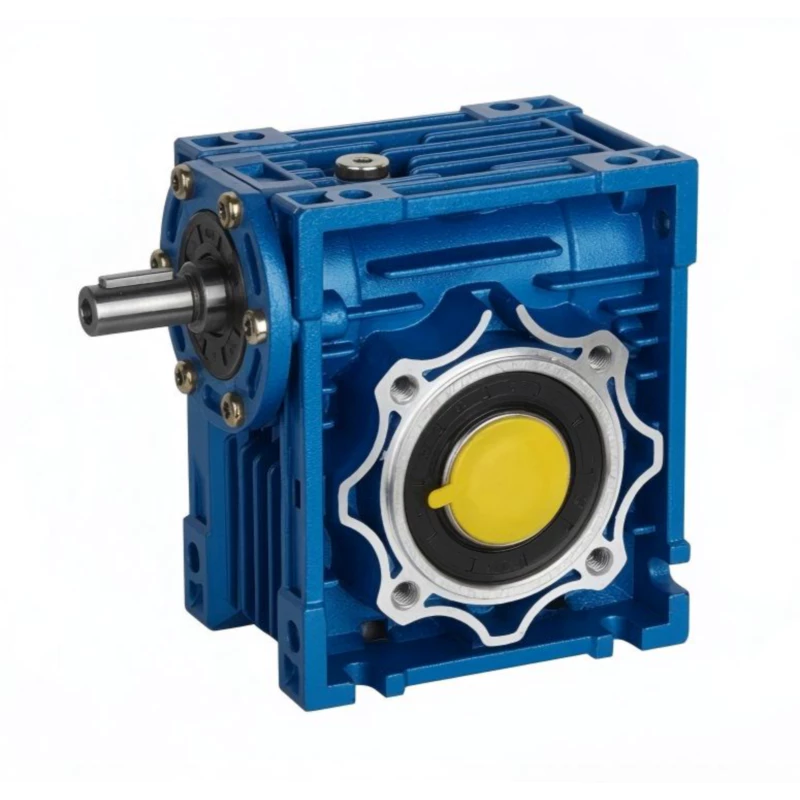
Our Competitive Advantages as Your Worm Reducer Supplier
🏆
الخبرة في المجال
Over 20 years of worm gearbox manufacturing expertise serving the water treatment sector and dozens of other industries worldwide.
💬
الدعم الفني عن بعد
يتوفر فريق هندسي متخصص لحل المشكلات عن بعد، وتوفير نماذج التصميم بمساعدة الحاسوب، وتقديم الاستشارات التطبيقية عبر مكالمات الفيديو أو البريد الإلكتروني أو الهاتف في جميع المناطق الزمنية الأسترالية.
⚙
تصميم مخصص من قبل مصنعي المعدات الأصلية/مصممي المعدات الأصلية
إمكانية تصميم كاملة غير قياسية تشمل تكوينات أعمدة مخصصة، وأقواس تثبيت خاصة، ونسب تروس معدلة، ومواد غلاف مصممة خصيصًا لتلبية متطلبات التطبيق الدقيقة.
📈
قيمة استثنائية
أسعار مباشرة من المصنع بدون أي رسوم إضافية من الوسطاء. مرونة تنافسية في الحد الأدنى لكمية الطلب وبرامج خصومات على الكميات الكبيرة للمشتريات القائمة على المشاريع.
📦
الخدمات اللوجستية العالمية
خطوط شحن راسخة إلى جميع الموانئ الأسترالية الرئيسية مع خيارات مستودعات جمركية في سيدني وملبورن للشحن المحلي السريع.
Common Questions About Worm Gearboxes for This Application
Why are worm gear drives the standard for dam gate actuation?
The inherent self-locking property of worm gears provides a passive, fail-safe mechanism that holds the gate in position under full hydrostatic load without requiring power, brakes, or electronic controls. This reliability is unmatched by any other gear type for critical water infrastructure.
What is the expected service life of a worm gear dam gate drive?
Dam gate drives are typically designed for 25–50 year service life. The worm shaft, being the harder component, can last the full life of the dam. Bronze worm wheels may be replaced every 15–25 years depending on cycle frequency.
How are dam gate worm drives maintained?
Maintenance is minimal: annual oil level check, oil change every 5–10 years (very low cycle frequency), visual inspection of seals and housing coating. No gear mesh adjustment is required over the service life.
Can worm gear gate drives operate during power failures?
Yes. All dam gate worm drives should include a manual handwheel input. The high gear ratio means a single person can generate sufficient torque to move the gate via the handwheel, using the worm gearbox as a force multiplier.
What standards govern dam gate drive equipment?
Dam gate drives should comply with ISO 9001 quality management, IEC 60034 for electric motors, and relevant dam safety guidelines such as ANCOLD (Australian National Committee on Large Dams) standards. IP55 minimum protection rating is standard.
Request Your Custom Worm Reducer Quote Today
Every dam gate drives installation has unique requirements. Send us your specifications and our application engineers will recommend the best worm gear solution, complete with technical drawings and competitive pricing.
تصفح منتجاتنا مجموعة منتجات كاملة أو تعرف على المزيد نبذة عن شركتنا.