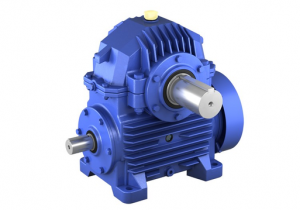
Gearbox Cacing yang Andal untuk Menggerakkan Sistem Konveyor Sabuk di Pertambangan
Di sektor pertambangan Australia yang menuntut, sistem konveyor sabuk berfungsi sebagai tulang punggung operasi pengangkutan material. Dari bijih besi di Pilbara hingga batu bara di Lembah Hunter, konveyor ini harus beroperasi terus menerus dalam kondisi yang berat. pengurang cacing Menghadirkan pengurangan kecepatan yang tepat dan kemampuan penguncian otomatis yang dibutuhkan oleh konveyor pertambangan, memastikan bahwa bijih, batubara, dan mineral bergerak dengan aman melintasi jarak yang luas — bahkan pada bagian miring yang curam di mana pergeseran balik akibat gravitasi menimbulkan risiko keselamatan yang kritis.
Bagaimana Reducer Roda Gigi Cacing Melayani Operasi Konveyor Sabuk
Konveyor sabuk dalam operasi pertambangan biasanya membentang ratusan meter, mengangkut material curah antara penghancur, pabrik penyaringan, dan area penimbunan. Sistem penggerak harus memberikan akselerasi yang mulus untuk mencegah selip sabuk selama pengoperasian awal, torsi yang berkelanjutan selama pengoperasian terus menerus, dan — yang paling penting — mekanisme penguncian otomatis yang melekat untuk menahan sabuk bermuatan agar tetap diam di bagian miring ketika daya terputus.
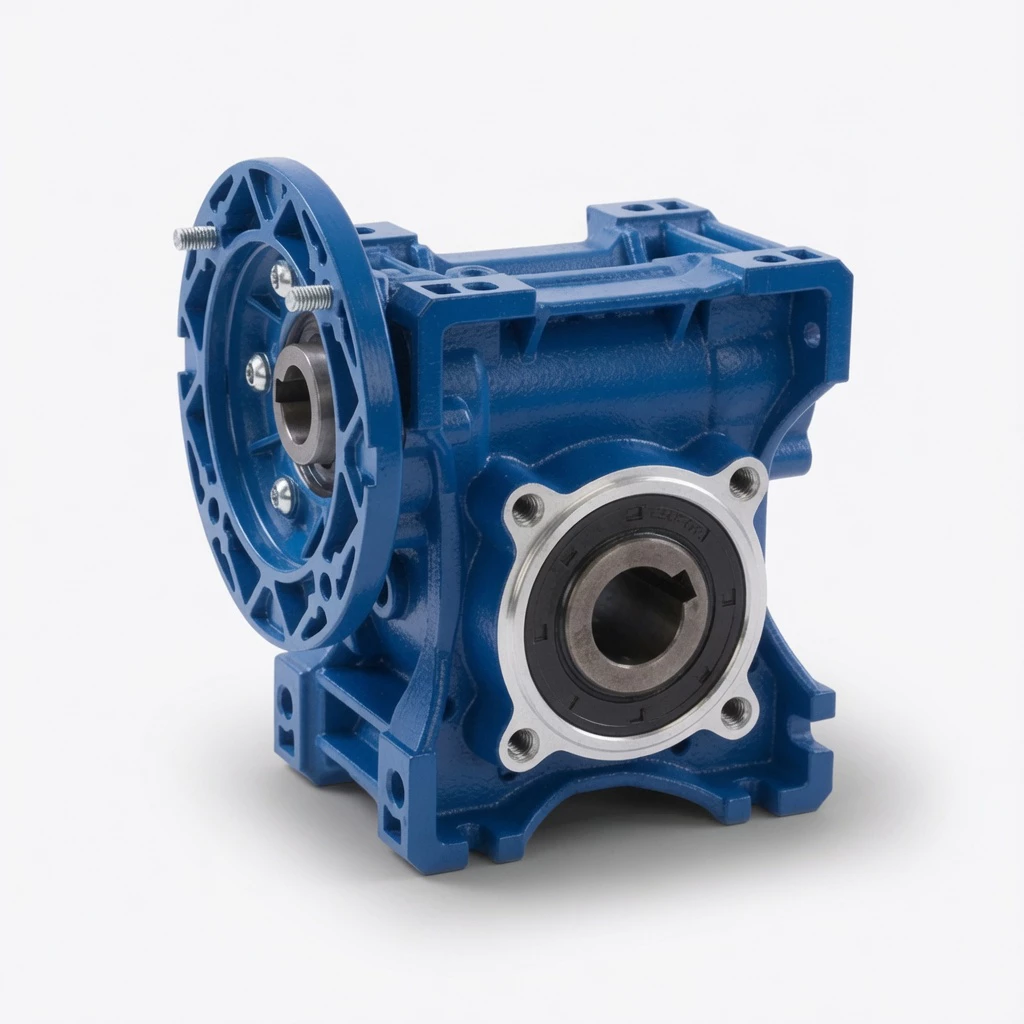
Gearbox cacing mencapai hal ini melalui geometri unik dari keterkaitan cacing dan rodanya. Sudut heliks yang rendah pada poros cacing menciptakan keuntungan mekanis yang mencegah poros keluaran menggerakkan poros masukan, secara efektif mengunci sabuk konveyor pada posisinya di bawah beban gravitasi. Hal ini menghilangkan kebutuhan akan perangkat penghenti terpisah di banyak instalasi, mengurangi biaya dan beban perawatan.
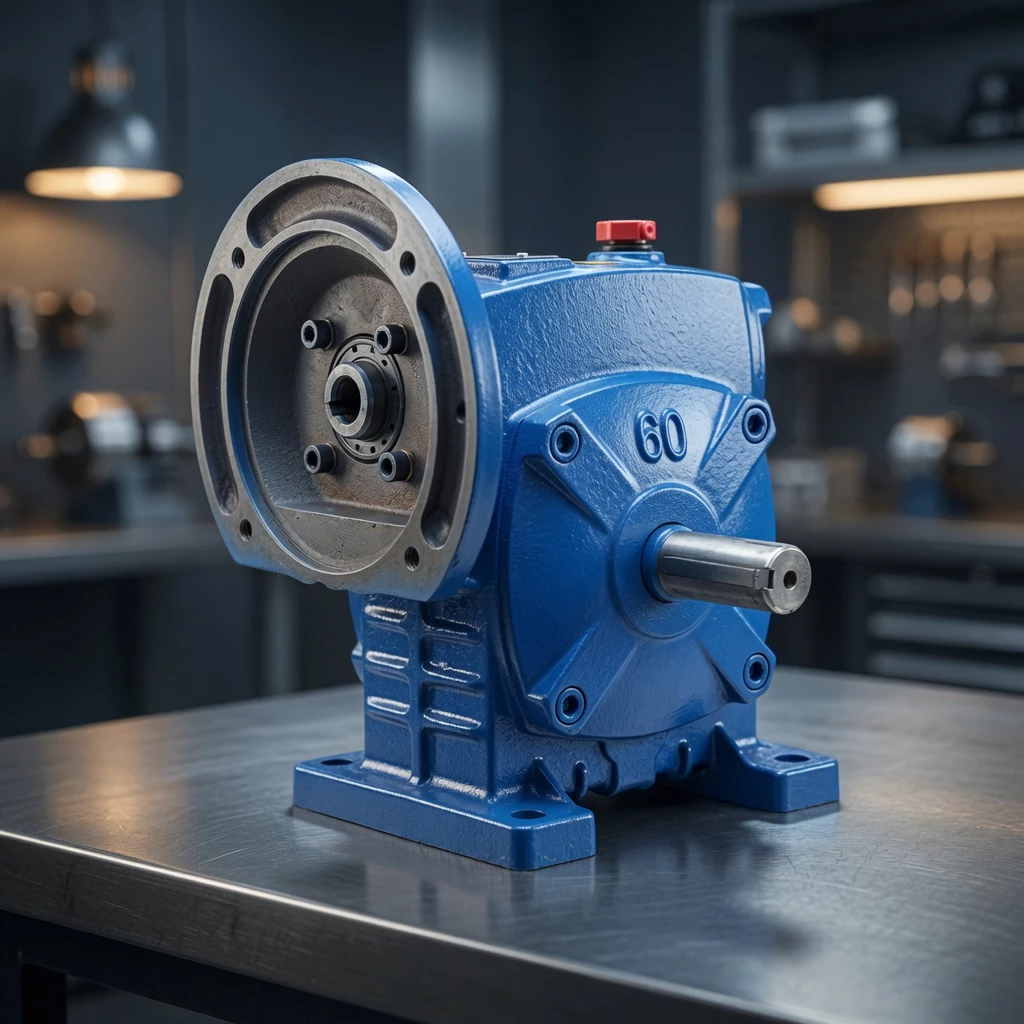
Komposisi material Komponen ini memainkan peran penting dalam umur pakai gearbox konveyor. Poros cacing dibuat dari baja paduan yang dikeraskan permukaannya (20CrMnTi) dengan ketahanan abrasi yang luar biasa, sementara roda cacing menggunakan perunggu fosfor cor sentrifugal untuk penyerapan benturan yang superior. Rumah gearbox terbuat dari besi cor ulet, dirancang untuk menahan getaran terus menerus yang merupakan karakteristik operasi konveyor beban berat.
Spesifikasi Teknis dan Panduan Pemilihan
| Parameter | Spesifikasi |
|---|---|
| Rentang Rasio Gigi | 10:1 – 60:1 |
| Rentang Torsi Keluaran | 200 – 4.500 Nm |
| Diameter Poros Masukan | Ø 14 mm – Ø 55 mm |
| Diameter Poros Keluaran | Ø 25 mm – Ø 90 mm |
| Bahan Perumahan | Besi Cor Ulet (GGG40/GGG50) |
| Opsi Pemasangan | Dudukan Kaki / Dudukan Flensa / Dudukan Poros |
Saat memilih unit roda gigi cacing untuk aplikasi konveyor, Faktor Layanan (SF) merupakan pertimbangan desain utama. Konveyor pertambangan dengan siklus mulai-berhenti yang sering dan beban yang bervariasi harus menerapkan faktor layanan 1,5 hingga 2,0. Untuk konveyor miring, pertimbangkan komponen gravitasi beban untuk memverifikasi bahwa rasio penguncian otomatis dipertahankan di bawah tegangan sabuk maksimum. Suhu lingkungan di operasi tambang terbuka dapat melebihi 45°C di musim panas Australia, sehingga memerlukan pengurangan kapasitas keluaran gearbox secara termal yang cermat.
Standar Internasional dan Sertifikasi Mutu
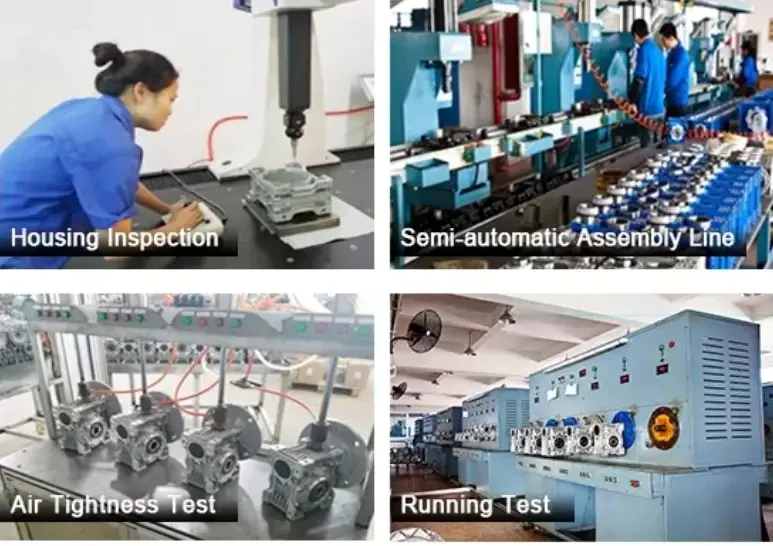
ISO 9001:2015 — Sistem manajemen mutu tersertifikasi di seluruh proses manufaktur dan perakitan.
Sertifikasi CE — Kepatuhan penuh terhadap Arahan Mesin Eropa 2006/42/EC untuk akses pasar global.
Antarmuka Standar IEC — Flensa input motor dan dimensi poros sesuai dengan IEC 60072 untuk kompatibilitas motor universal.
Opsi Standar NEMA — NEMA C-Face dan konfigurasi pemasangan kaki tersedia untuk integrasi motor di Amerika Utara.
Perlindungan IP65 / IP66 — Perlindungan terhadap masuknya debu dan air dinilai mampu mencegah masuknya debu sepenuhnya dan tahan terhadap semburan air yang kuat, sehingga menjamin pengoperasian yang andal di lingkungan luar ruangan dan industri yang keras.
Kesuksesan di Dunia Nyata: Studi Kasus Pelanggan
⚒ Penambangan Bijih Besi – Australia Barat
Peralatan: Konveyor Sabuk Darat (1.200 m)
Tantangan: Seringnya kegagalan penahan balik pada bagian tanjakan 12° menyebabkan penghentian operasional yang tidak direncanakan dengan biaya AUD 180.000 per kejadian.
Larutan: Mengganti penggerak roda gigi heliks dengan reduktor cacing pengunci otomatis (rasio 40:1). Fungsi penghenti bawaan menghilangkan perangkat penghenti terpisah sepenuhnya.
Hasil: Tidak ada insiden kemunduran selama 18 bulan; interval perawatan diperpanjang dari 3 menjadi 9 bulan.
⚙ Pertambangan Batubara – Queensland
Peralatan: Sistem Konveyor Penumpukan
Tantangan: Kebocoran oli gir dalam kondisi berdebu mengotori peralatan di sekitarnya dan menciptakan bahaya terpeleset di jalan setapak.
Larutan: Memasang gearbox cacing dengan rumah besi cor ulet berperingkat IP65 dan segel poros bibir ganda.
Hasil: Keluhan kebocoran oli turun menjadi nol; skor inspeksi kebersihan meningkat sebesar 40%.
🔨 Pengolahan Emas – Wilayah Utara
Peralatan: Konveyor Pemindahan Konsentrat
Tantangan: Beban kejut dari pemasukan bijih yang tidak teratur menghancurkan gigi gearbox planet dalam waktu 6 bulan.
Larutan: Beralih ke penggerak roda gigi cacing dengan roda perunggu fosfor yang menyerap energi benturan melalui deformasi terkontrol daripada patahan.
Hasil: Masa pakai gearbox melebihi 24 bulan; biaya suku cadang pengganti berkurang sebesar 55%.
Mengapa Bermitra dengan Kami untuk Kebutuhan Gearbox Cacing Anda?
🏭
Pengalaman Industri
Lebih dari 20 tahun keahlian manufaktur gearbox cacing yang melayani sektor pertambangan dan puluhan industri lainnya di seluruh dunia.
💻
Dukungan Teknis Jarak Jauh
Tim teknik khusus tersedia untuk pemecahan masalah jarak jauh, penyediaan model CAD, dan konsultasi aplikasi melalui panggilan video, email, atau telepon di seluruh zona waktu Australia.
🔧
Desain Kustom OEM/ODM
Kemampuan desain non-standar lengkap termasuk konfigurasi poros khusus, braket pemasangan khusus, rasio roda gigi yang dimodifikasi, dan material rumah yang dibuat khusus untuk memenuhi persyaratan aplikasi yang tepat.
💰
Nilai yang Luar Biasa
Harga langsung dari pabrik tanpa perantara. Fleksibilitas MOQ yang kompetitif dan program diskon volume untuk pengadaan berbasis proyek.
🌎
Logistik Global
Tersedia jalur pengiriman yang terhubung ke semua pelabuhan utama Australia dengan opsi gudang berikat di Sydney dan Melbourne untuk pengiriman domestik yang cepat.
Pertanyaan yang Sering Diajukan
Rasio roda gigi apa yang terbaik untuk reduktor cacing pada konveyor sabuk pertambangan?
Rasio antara 20:1 dan 50:1 paling umum digunakan untuk konveyor sabuk pertambangan. Rasio yang lebih rendah cocok untuk konveyor datar pada kecepatan sedang, sedangkan rasio yang lebih tinggi lebih disukai untuk konveyor miring di mana ambang batas penguncian otomatis harus dipertahankan dengan andal. Rasio yang tepat bergantung pada kecepatan motor, kecepatan sabuk yang dibutuhkan, dan sudut kemiringan konveyor.
Bisakah gearbox cacing menggantikan penahan terpisah pada konveyor miring?
Ya, asalkan rasio roda gigi melebihi ambang batas penguncian otomatis, biasanya di atas 30:1 untuk kombinasi perunggu-pada-baja standar. Kotak roda gigi cacing secara inheren mencegah putaran balik, sehingga menghilangkan kebutuhan akan penahan mekanis terpisah di sebagian besar aplikasi konveyor miring.
Seberapa sering oli reduktor cacing pada konveyor pertambangan harus diganti?
Dalam kondisi pertambangan standar, pelumas sintetis harus diganti setiap 5.000 hingga 8.000 jam operasi, atau setiap tahun, mana pun yang tercapai lebih dulu. Lingkungan berdebu yang keras mungkin memerlukan pengambilan sampel oli yang lebih sering dan penggantian lebih awal jika terdeteksi kontaminasi partikulat.
Berapa peringkat IP yang direkomendasikan untuk gearbox cacing di pertambangan terbuka?
IP65 adalah rekomendasi minimum untuk lingkungan pertambangan terbuka, yang memberikan perlindungan menyeluruh terhadap masuknya debu dan ketahanan terhadap semburan air bertekanan rendah. Operasi bawah tanah dengan sistem penekan semprotan air mungkin memerlukan IP66 atau lebih tinggi.
Apakah reduktor ulir cukup hemat energi untuk pengoperasian konveyor yang panjang?
Meskipun gearbox cacing memiliki efisiensi mekanis yang lebih rendah (biasanya 60–90% tergantung pada rasio) dibandingkan dengan unit heliks, ukurannya yang ringkas, kemampuan penguncian otomatis, dan pengurangan kebutuhan peralatan tambahan seringkali memberikan biaya kepemilikan total yang lebih baik untuk aplikasi konveyor di mana fitur-fitur ini sangat penting.
Siap untuk memulai?
Tim teknik kami siap membantu Anda memilih gearbox cacing yang optimal untuk aplikasi sistem konveyor sabuk Anda. Baik Anda membutuhkan unit standar dari katalog atau solusi yang sepenuhnya disesuaikan, kami memberikan panduan ahli dan harga yang kompetitif.
Jelajahi rangkaian produk lengkap atau pelajari lebih lanjut tentang perusahaan kami.