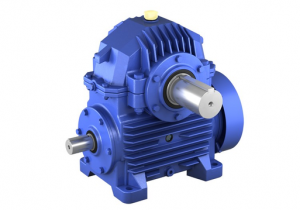
Industrial Worm Gear Actuators for Butterfly and Gate Valve Operations
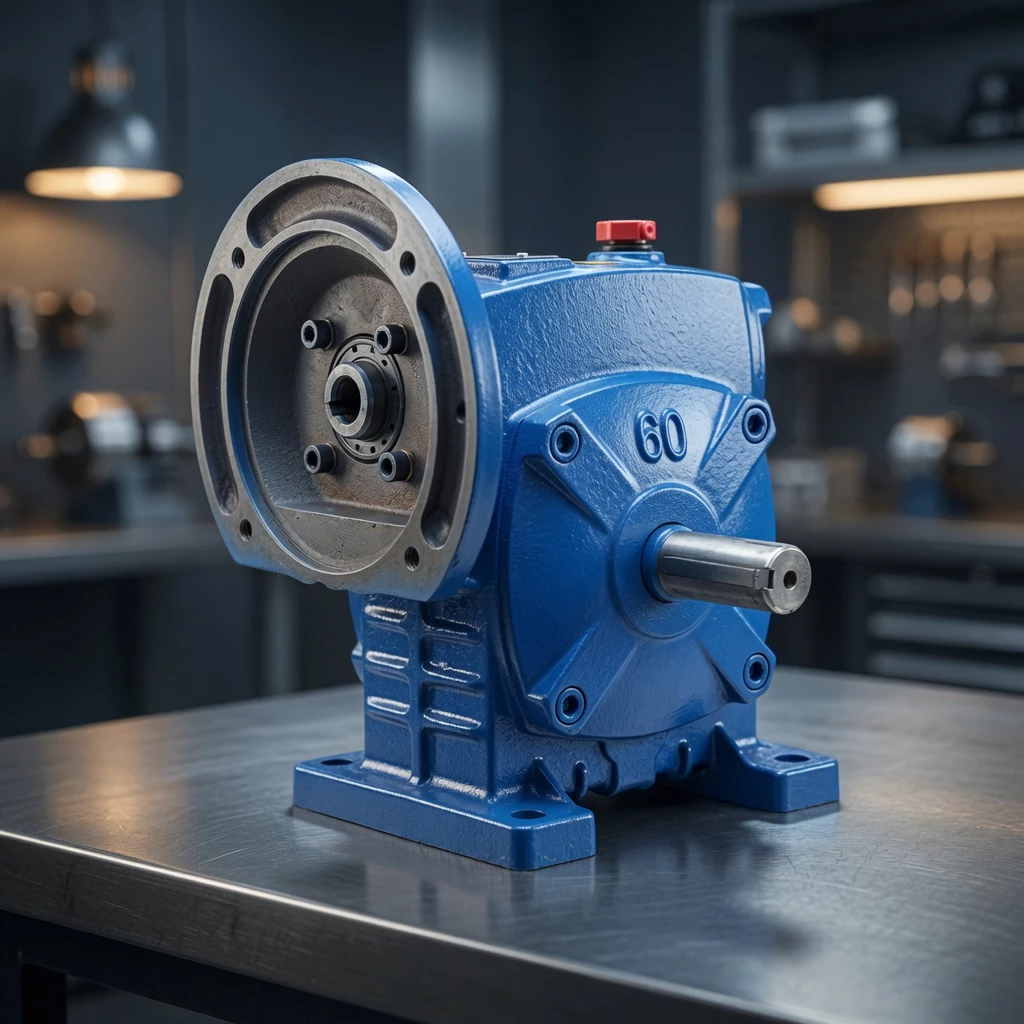
Municipal water supply networks, wastewater treatment plants, and desalination facilities across Australia depend on large-diameter butterfly and gate valves to control water flow. For valves DN250 and above, manual operation becomes impractical — the torque required to move the valve disc against pipeline pressure exceeds human capability. A worm gear actuator provides the mechanical advantage needed to operate these large valves smoothly and safely, with self-locking position retention that guarantees valve stability under fluctuating pressure conditions. Browse our product catalogue for valve actuator gearbox specifications.
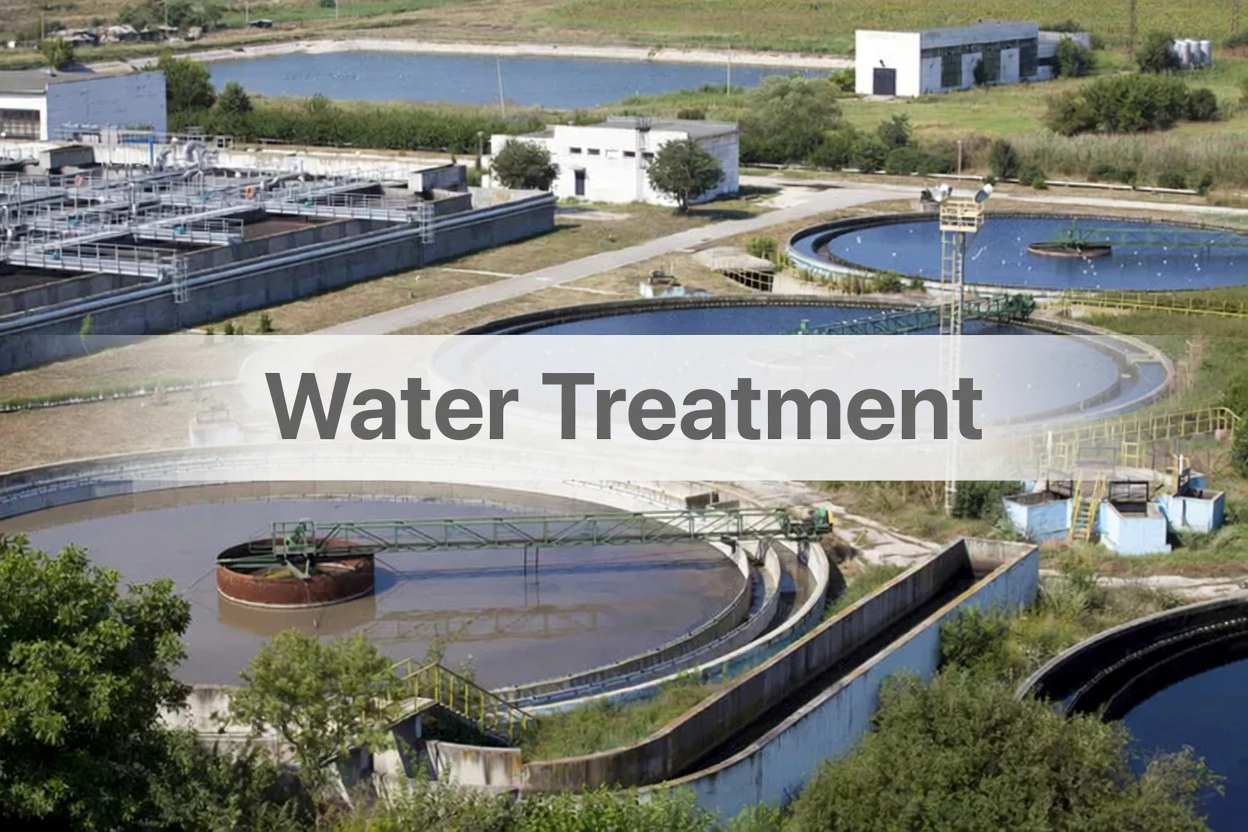
Water Network Valve Actuation: Worm Gear Engineering for Critical Infrastructure
In pressurised water distribution mains, butterfly valves regulate flow and isolate pipeline sections for maintenance. Gate valves provide full-bore isolation in treatment plant process lines. Both valve types require substantial torque to operate — a DN600 butterfly valve under 10 bar differential pressure may demand over 2,000 Nm of seating torque. Worm gear actuators multiply operator or motor input by ratios of 20:1 to 60:1, reducing the required input effort to manageable levels.
The self-locking function of the worm gear is essential for water infrastructure reliability. Once positioned, the valve must not drift, even if pipeline pressure surges. The worm’s geometry ensures that hydraulic forces acting on the valve disc cannot back-drive the actuator, maintaining the set position without external locking devices or continuous motor energisation.
For coastal and chemical treatment environments, the worm shaft is manufactured from stainless steel 316 for chlorine corrosion resistance. The cast phosphor bronze worm wheel provides self-lubricating, corrosion-resistant operation. Housings are stainless steel or marine-grade coated cast iron, sealed to IP65 or higher to withstand outdoor installation in tropical, coastal, and subterranean conditions.
Engineering Data and Model Selection
| Parameter | Specification |
|---|---|
| Gear Ratio Range | 20:1 – 60:1 |
| Output Torque Range | 100 – 6,000 Nm |
| Input Shaft Diameter | Handwheel or Motor Input (ISO 5211) |
| Output Shaft Diameter | ISO 5211 / DIN 3210 Valve Stem Interface |
| Housing Material | Stainless Steel 316 / Coated Ductile Iron |
| Mounting Options | ISO 5211 Direct Valve Mount |
Valve actuator sizing begins with the valve manufacturer’s specified maximum operating torque. Apply a Service Factor (SF) of 1.5 for standard water service and 2.0 for aggressive media or high-cycle applications. The actuator must deliver at least 1.5 times the valve breakaway torque for reliable unseating after prolonged static periods. For coastal installations, specify stainless steel 316 construction and IP65 minimum protection. Verify compliance with IEC 60534 for control valve service and NEMA 4X or equivalent for outdoor enclosure rating.
International Standards and Quality Certifications
| Standard / Certification | Details |
|---|---|
| ISO 9001:2015 | Certified quality management system for design, manufacturing, and delivery |
| CE Certification | Compliant with EU Machinery Directive 2006/42/EC |
| IEC 60072 | Motor interface dimensions per IEC standard for universal motor compatibility |
| NEMA C-Face | NEMA standard motor mount options available on request |
| IP65 / IP66 | Full dust protection and water jet resistance for outdoor and harsh environments |
Real-World Success: Customer Case Studies
Why Partner With Us for Your Worm Gearbox Needs?
Industry Experience
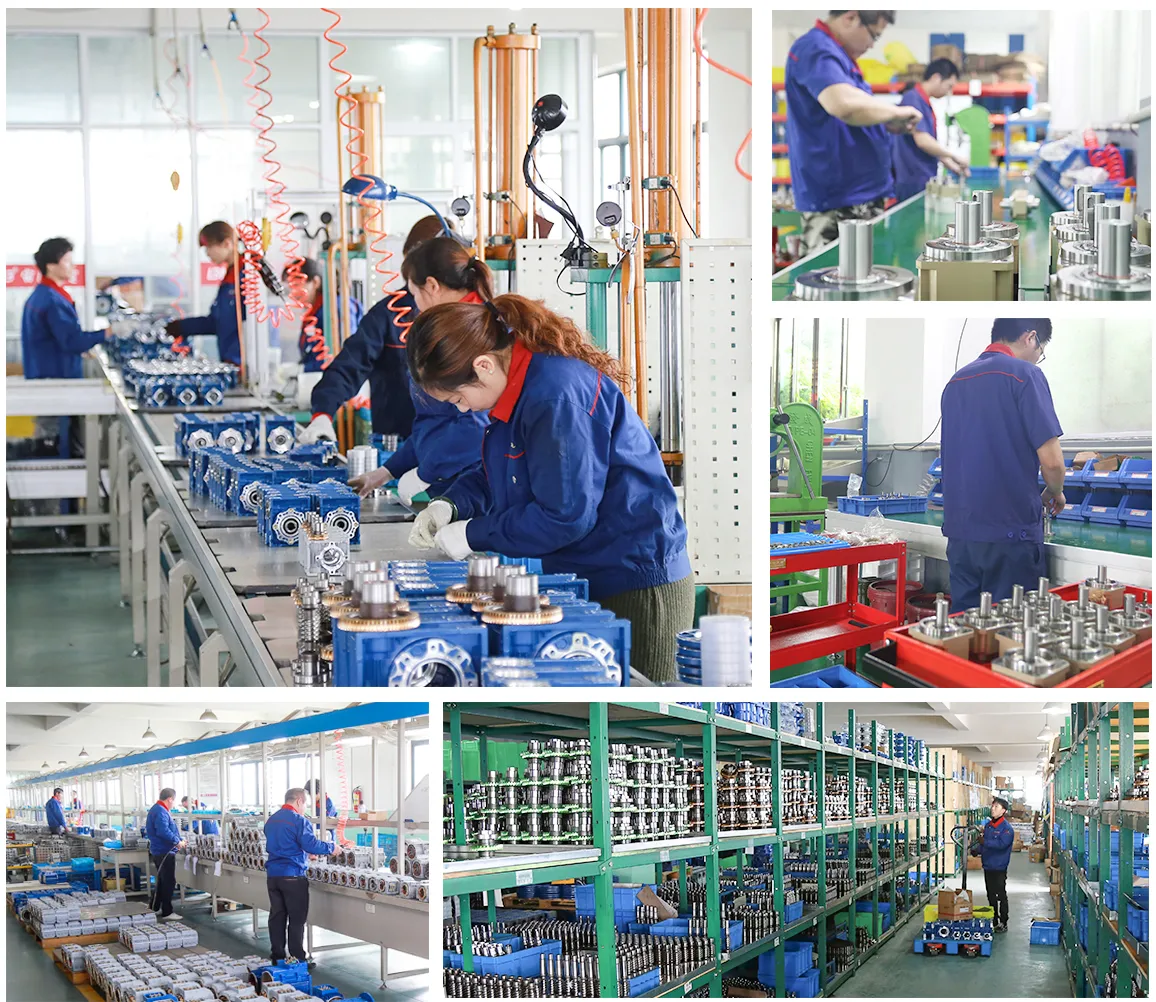
Over 20 years of worm gearbox manufacturing expertise serving the water treatment sector and dozens of other industries worldwide.
Remote Technical Support
Dedicated engineering team available for remote troubleshooting, CAD model provision, and application consultation via video call, email, or phone across all Australian time zones.
OEM/ODM Custom Design
Full non-standard design capability including custom shaft configurations, special mounting brackets, modified gear ratios, and bespoke housing materials to meet exact application requirements.
Outstanding Value
Factory-direct pricing with no intermediary markups. Competitive MOQ flexibility and volume discount programmes for project-based procurement.
Global Logistics
Established shipping routes to all major Australian ports with bonded warehouse options in Sydney and Melbourne for rapid domestic dispatch.
Frequently Asked Questions
Q: What torque output do I need for a worm gear valve actuator?
A: The required output torque must exceed the valve manufacturer specified maximum operating torque, multiplied by a safety factor of 1.5. For valves that remain static for extended periods, breakaway torque can be significantly higher than running torque.
Q: Are worm gear actuators suitable for potable water applications?
A: Yes. Worm gear actuators with stainless steel construction and food-grade lubricants are approved for potable water service. Ensure all wetted materials comply with AS/NZS 4020 or equivalent drinking water material standards.
Q: How do worm gear actuators compare to pneumatic actuators for valve control?
A: Worm gear electric actuators eliminate the need for compressed air infrastructure, consume power only during movement, and provide inherent position locking. Pneumatic actuators offer faster cycling speeds but require continuous air supply and additional locking mechanisms.
Q: What protection rating is required for underground valve chamber installations?
A: IP67 minimum is recommended for valve chambers that may experience temporary submersion during heavy rain events. IP68 is specified for permanently submerged actuators in water reservoirs or submerged intake structures.
Q: Can worm gear actuators handle the water hammer effect in pipelines?
A: The self-locking worm mechanism resists back-driving forces from pressure surges. However, the actuator housing and mounting hardware must be structurally rated for the dynamic forces generated by water hammer events. Consult both valve and actuator manufacturers for surge analysis.
Ready to Get Started?
Our engineering team is ready to help you select the optimal worm gearbox for your butterfly & gate valve actuators application. Whether you need a standard catalogue unit or a fully customised solution, we deliver expert guidance and competitive pricing.
Browse our complete product range or learn more about our company.