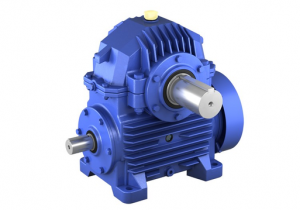
Veiligheidskritische wormwielreductoren voor industriële lift- en hijssystemen
Industrial elevators and hoisting equipment form the vertical transport backbone of warehouses, manufacturing plants, and distribution centres across Australia. Whether lifting palletised goods between mezzanine levels or transporting personnel in construction hoists, these systems carry a non-negotiable safety requirement: the load must never fall if the motor stops. The worm gear reducer’s inherent self-locking mechanism fulfils this fundamental safety function, making it the preferred — and in many jurisdictions mandated — drive technology for lifting applications. Explore the full range of wormwielproducten voor verticaal transport.
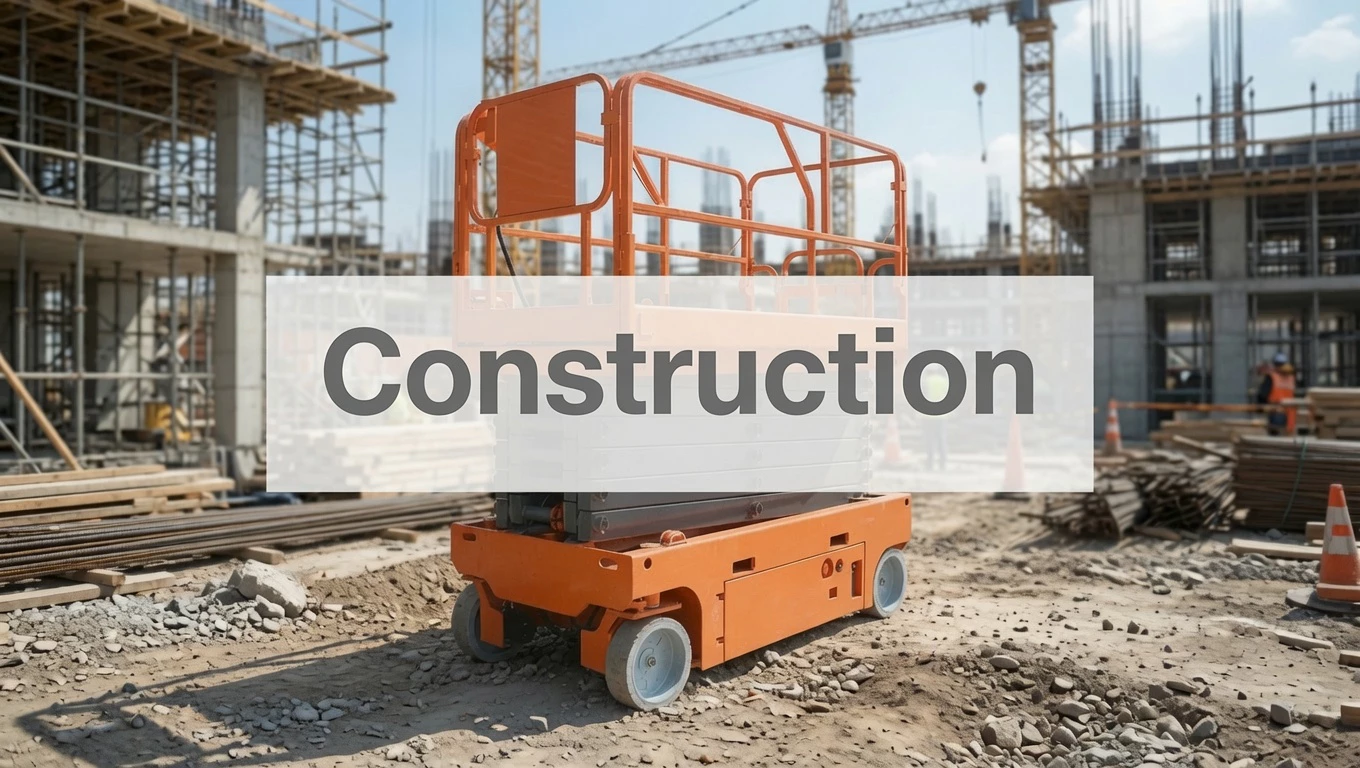
Aandrijfsystemen voor verticaal heffen: veiligheid en prestaties van wormwieloverbrengingen
Industriële liften en hijssystemen gebruiken elektromotoren die via een snelheidsreductor platforms, kooien of haken omhoog en omlaag brengen met behulp van staalkabels, kettingen of tandwielmechanismen. Het aandrijfsysteem moet zorgen voor een soepele, gecontroleerde acceleratie en deceleratie om zowel de last als de constructie te beschermen, en moet tevens ten minste één onafhankelijk mechanisch middel bevatten om de last in elke gewenste positie te houden in geval van stroomuitval.
De wormwieloverbrenging fungeert zowel als snelheidsreductiemechanisme als primair veiligheidsmechanisme voor het vasthouden van de last. Dankzij de zelfvergrendelende eigenschap – waarbij de geringe spiraalhoek van de worm voorkomt dat de uitgaande as de ingaande as aandrijft onder invloed van de zwaartekracht – stopt de takel onmiddellijk en blijft in positie zodra de motor wordt uitgeschakeld. Dit is geen wrijvingsrem; het is een geometrische eigenschap van de tandwieloverbrenging die niet kan slijten of slippen.
Wormasten zijn gemaakt van gecarburiseerd en gehard gelegeerd staal, wat zorgt voor de vereiste oppervlaktehardheid en kernsterkte voor hijswerkzaamheden. Wormwielen zijn gegoten van tinbrons, gewaardeerd om hun zelfsmurende eigenschappen en lange levensduur onder wisselende belastingen. De behuizingen zijn van gietijzer of gegoten aluminium met IP54-bescherming, geschikt voor zowel magazijnen binnen als bouwplaatsen buiten.
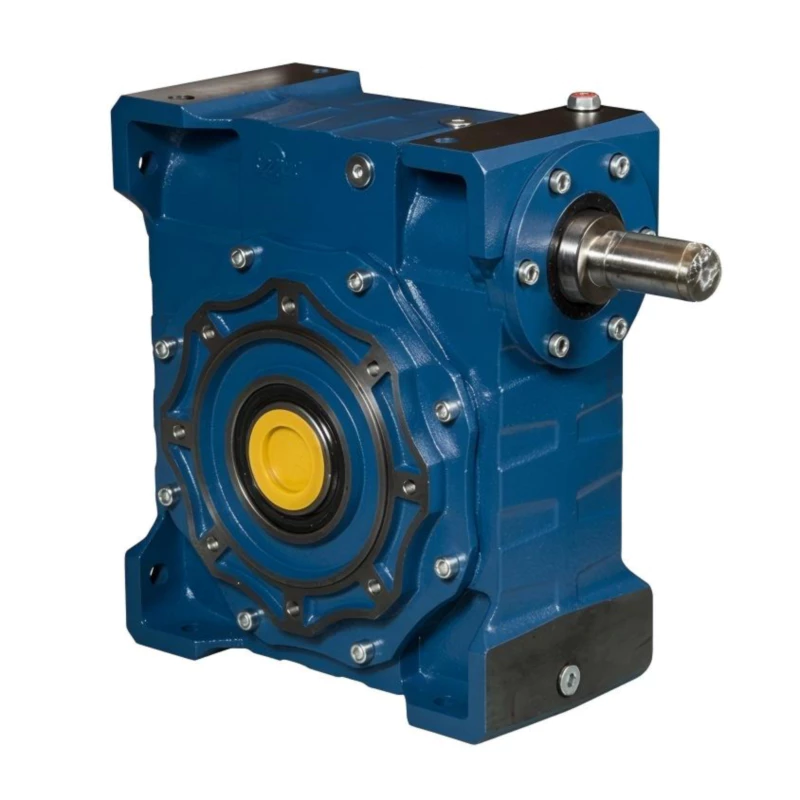
Technische specificaties en selectiegids
| Parameter | Specificatie |
|---|---|
| Overbrengingsverhoudingsbereik | 20:1 – 60:1 |
| Uitgangskoppelbereik | 200 – 6.000 Nm |
| Diameter van de ingaande as | Ø 19 mm – Ø 55 mm |
| Diameter van de uitgaande as | Ø 30 mm – Ø 100 mm |
| Behuizingsmateriaal | Gietijzer of gegoten aluminium, IP54 |
| Montagemogelijkheden | Voetmontage / Flensmontage / Integratie met hijsframe |
Bij hijswerkzaamheden is een zorgvuldige veiligheidsanalyse vereist. Pas een minimum aan veiligheidsvoorschriften toe. Servicefactor (SF) van 2,0 voor goederenliften en 2,5 voor personenliften. De zelfvergrendelingsverhouding moet een adequate veiligheidsmarge bieden onder de maximaal nominale belasting plus een eventuele dynamische overbelastingsfactor. Naleving van IEC 60204-1 Voor elektrische apparatuur van machines is AS 1418 vereist, en voor kranen en takels is AS 1418 vereist. NEMA MG-1 Voor geïmporteerde aandrijfmotoren kunnen specifieke motornormen gelden. Voor hijsinstallaties in de buitenlucht is een minimale beschermingsklasse van IP54 verplicht, waarbij IP55 wordt aanbevolen voor langdurige blootstelling aan de buitenlucht.
Naleving, certificeringen en beschermingsclassificaties
ISO 9001:2015 — Quality management system certified across all manufacturing and assembly processes.
CE-certificering — Full compliance with European Machinery Directive 2006/42/EC for global market access.
IEC-standaardinterfaces — Motor input flanges and shaft dimensions conform to IEC 60072 voor universele motorcompatibiliteit.
NEMA-standaardopties — NEMA C-Face en voetmontageconfiguraties beschikbaar voor Noord-Amerikaanse motorintegratie.
IP65 / IP66-bescherming — Ingress protection rated for complete dust exclusion and resistance to powerful water jets, ensuring reliable operation in harsh outdoor and industrial environments.
Bewezen prestaties: toepassingsvoorbeelden
🏗 Magazijnlogistiek – Melbourne
Uitrusting: Goederenlift (capaciteit van 2 ton, 3 niveaus)
Uitdaging: De elektromechanische schijfrem sleet ongelijkmatig, waardoor de remkracht per remactie met 15 mm afnam. De jaarlijkse kosten voor het vervangen van de remmen bedragen AUD 4.500.
Oplossing: De zelfvergrendelende wormwieloverbrenging zorgt voor een geometrische lastvastheid, onafhankelijk van de remstatus. De rem dient uitsluitend als secundaire veiligheidsvoorziening.
Resultaat: Belastingsafwijking geëlimineerd; vervangingsinterval voor remmen verlengd van 6 maanden naar 3 jaar.
🛠 Automobielindustrie – Adelaide
Uitrusting: Assemblagelijnplatformtakel
Uitdaging: De aandrijving met spiraalvormige tandwielkast vereiste 3 afzonderlijke remsystemen om te voldoen aan de SIL 2-veiligheidsnorm, wat de kosten per hijseenheid met AUD 12.000 verhoogde.
Oplossing: De zelfvergrendelende wormwieloverbrenging geldt als primair remmechanisme, waardoor extra remkracht wordt beperkt tot één secundaire rem voor naleving van SIL 2.
Resultaat: De kosten per remsysteem zijn verlaagd van AUD 12.000 naar AUD 3.500; de totale projectbesparing voor 20 hijskranen bedraagt AUD 170.000.
📈 Hoogbouwprojecten – Sydney
Uitrusting: Personeels-/materiaallift (32 verdiepingen)
Uitdaging: De vorige hijsinstallatie veroorzaakte overmatig lawaai op de bovenste verdiepingen, wat overlast veroorzaakte voor de bewoners van de verdiepingen onder de bouwzone.
Oplossing: De geluidsproductie van de wormwielreductor bedraagt 60 dB(A), wat 15 dB stiller is dan die van de voorgaande tandwieloverbrenging. Geluidsdemping door de gebouwconstructie vermindert de hoorbare impact verder.
Resultaat: Geluidsoverlastklachten van bewoners op de lagere verdiepingen zijn verholpen; de bouwtijden zijn met goedkeuring van de gemeenteraad met 2 uur per dag verlengd.
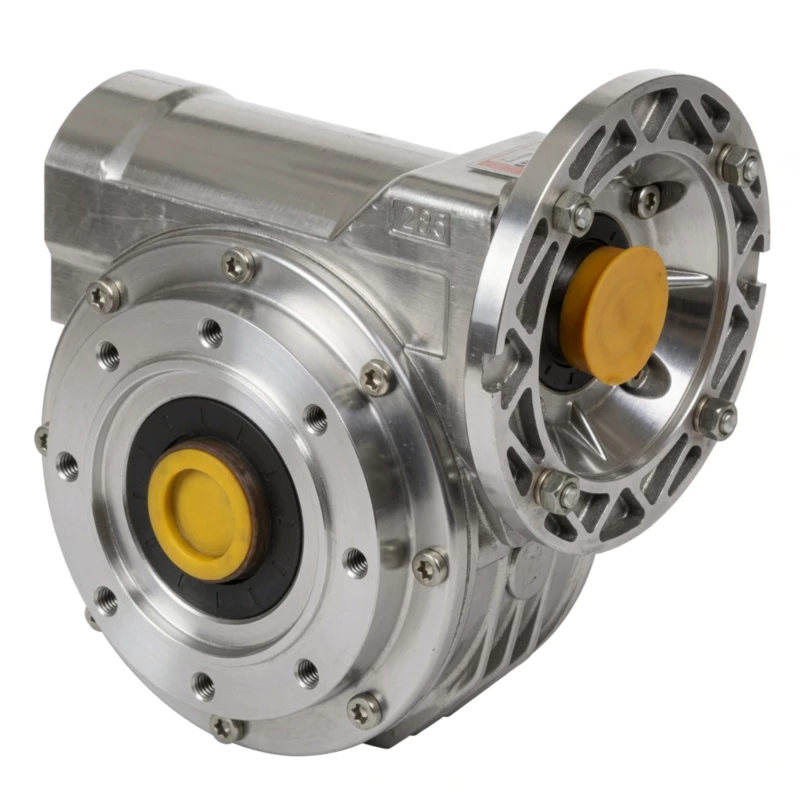
Onze concurrentievoordelen als uw leverancier van wormverdelgers
Branche-ervaring
Meer dan 20 jaar expertise in de productie van wormwieloverbrengingen, ten dienste van de bouw- en infrastructuursector en tientallen andere industrieën wereldwijd.
Technische ondersteuning op afstand
Een toegewijd engineeringteam staat klaar voor probleemoplossing op afstand, het leveren van CAD-modellen en applicatieadvies via videogesprek, e-mail of telefoon in alle Australische tijdzones.
OEM/ODM Maatwerkontwerp
Volledige mogelijkheden voor niet-standaard ontwerpen, waaronder aangepaste asconfiguraties, speciale montagebeugels, aangepaste overbrengingsverhoudingen en op maat gemaakte behuizingsmaterialen om aan de exacte toepassingsvereisten te voldoen.
Uitstekende prijs-kwaliteitverhouding
Fabrieksprijzen zonder tussenhandel. Flexibele minimale afnamehoeveelheden en volumekortingen voor projectmatige inkoop.
Wereldwijde logistiek
Gevestigde scheepvaartroutes naar alle belangrijke Australische havens met mogelijkheden voor douane-entrepot in Sydney en Melbourne voor snelle binnenlandse verzending.
Veelgestelde vragen over wormwieloverbrengingen voor deze toepassing
Waarom worden wormwielaandrijvingen als essentieel beschouwd voor de veiligheid van hijsinstallaties?
Het zelfvergrendelingsmechanisme voorkomt fysiek dat de uitgaande as onder invloed van de zwaartekracht gaat draaien wanneer de motor stilstaat. In tegenstelling tot wrijvingsremmen, die kunnen slijten, oververhitten of defect raken, is de zelfvergrendelingsfunctie van de wormwieloverbrenging inherent aan de geometrie ervan en kan deze niet in de loop der tijd verslechteren.
Welke veiligheidsnormen gelden voor wormwieloverbrengingen die in hijsinstallaties worden gebruikt?
In Australië is AS 1418 van toepassing op kranen en takels. Elektrische apparatuur moet voldoen aan de volgende normen: IEC 60204-1Voor personenliften stelt AS 2550 aanvullende eisen. De zelfvergrendelende functie van de tandwielkast wordt in deze normen doorgaans beschouwd als een primair vergrendelingsmechanisme.
Hoe gaan wormwielreductoren om met de wisselende krachten die optreden bij het omhoog en omlaag bewegen van een hijsinrichting?
Wormwielen van tinbrons zijn specifiek geselecteerd voor toepassingen met wisselende belasting. Het materiaal behoudt stabiele wrijvings- en slijtage-eigenschappen, ongeacht of de uitgaande as omhoog wordt aangedreven (motoraandrijving) of stilstaat (zelfvergrendelend onder belasting).
Wat is het geluidsniveau van wormwielaandrijvingen voor hijsinstallaties?
Wormwielaandrijvingen produceren doorgaans 55–65 dB(A) op 1 meter afstand, aanzienlijk stiller dan alternatieven met rechte of schuine tandwielen. Hierdoor hebben ze de voorkeur voor hijsinstallaties die in geluidsgevoelige omgevingen zoals ziekenhuizen, kantoren en woongebouwen werken.
Kan één wormwieloverbrenging zowel voor snelheidsreductie als voor lastvasthouding dienen?
Ja, en deze dubbele functie is het belangrijkste voordeel van wormwielen bij hijstoepassingen. Dezelfde unit die de motorsnelheid reduceert tot de hijssnelheid zorgt ook voor een inherente lastvasthoudfunctie, waardoor een aparte aanslag of primaire rem overbodig is.
Hoe wordt de zelfvergrendelingsverhouding voor een specifieke hijslast gecontroleerd?
De zelfborgende werking wordt geverifieerd door de spoedhoek van de worm te berekenen ten opzichte van de statische wrijvingscoëfficiënt van het wormwielmateriaal. Standaard combinaties van brons en staal zijn betrouwbaar zelfborgend bij overbrengingsverhoudingen van meer dan circa 30:1. De fabrikant levert geverifieerde zelfborgende gegevens voor elk model.
Vraag vandaag nog uw offerte aan voor een wormafvoersysteem op maat.
Every industrial elevators & hoists installation has unique requirements. Send us your specifications and our application engineers will recommend the best worm gear solution, complete with technical drawings and competitive pricing.
Bekijk onze compleet productassortiment of kom meer te weten Over ons bedrijf.